
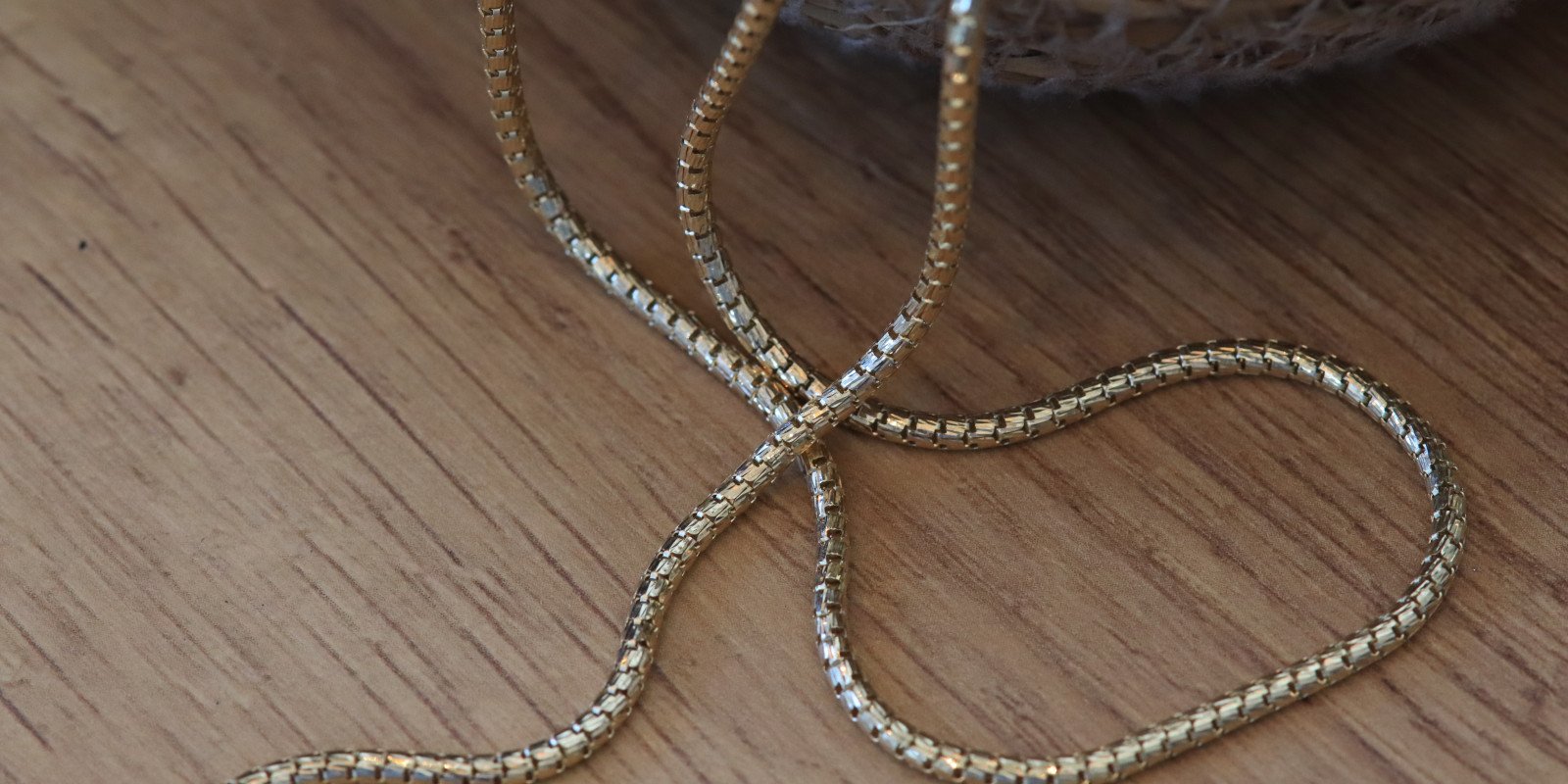
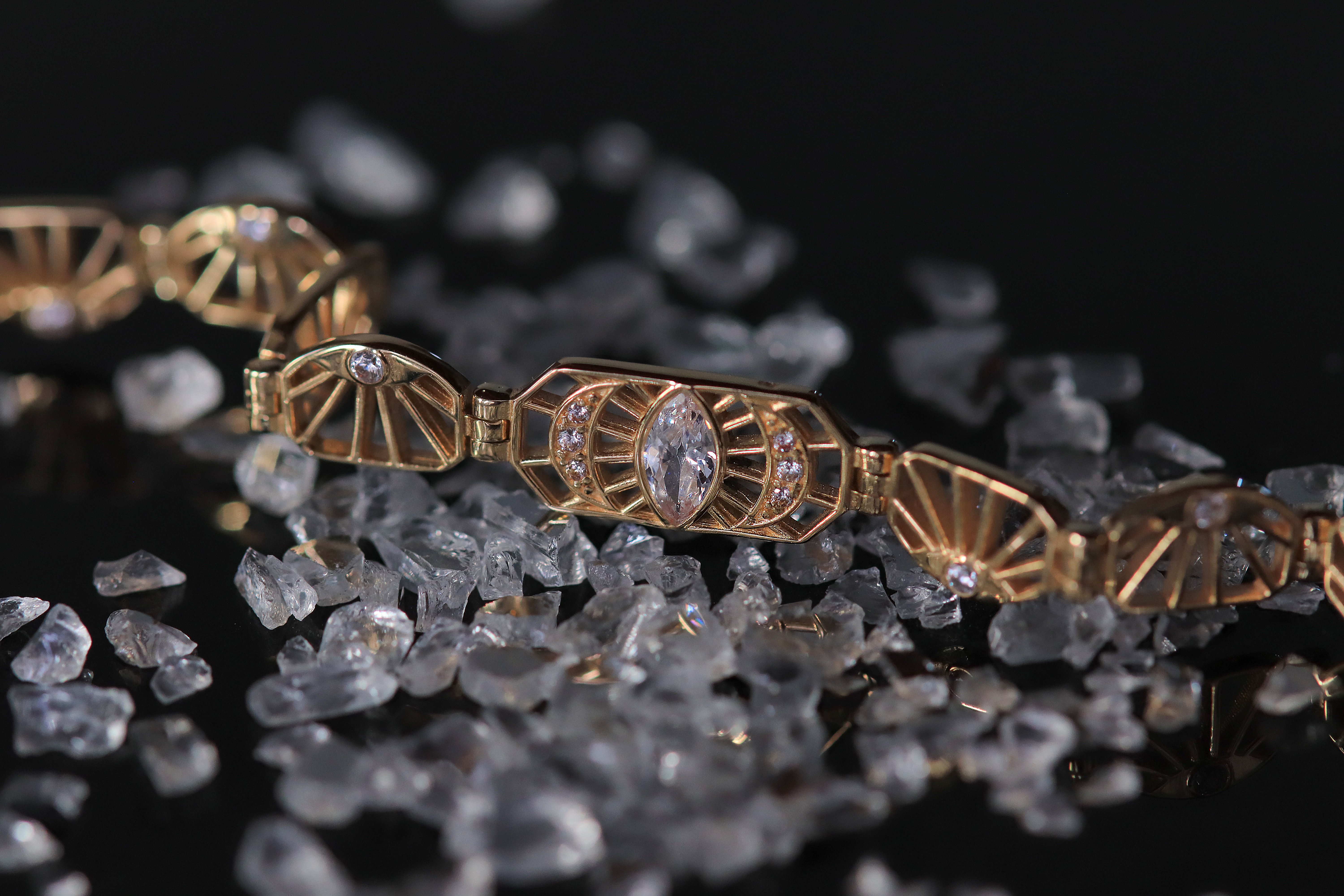
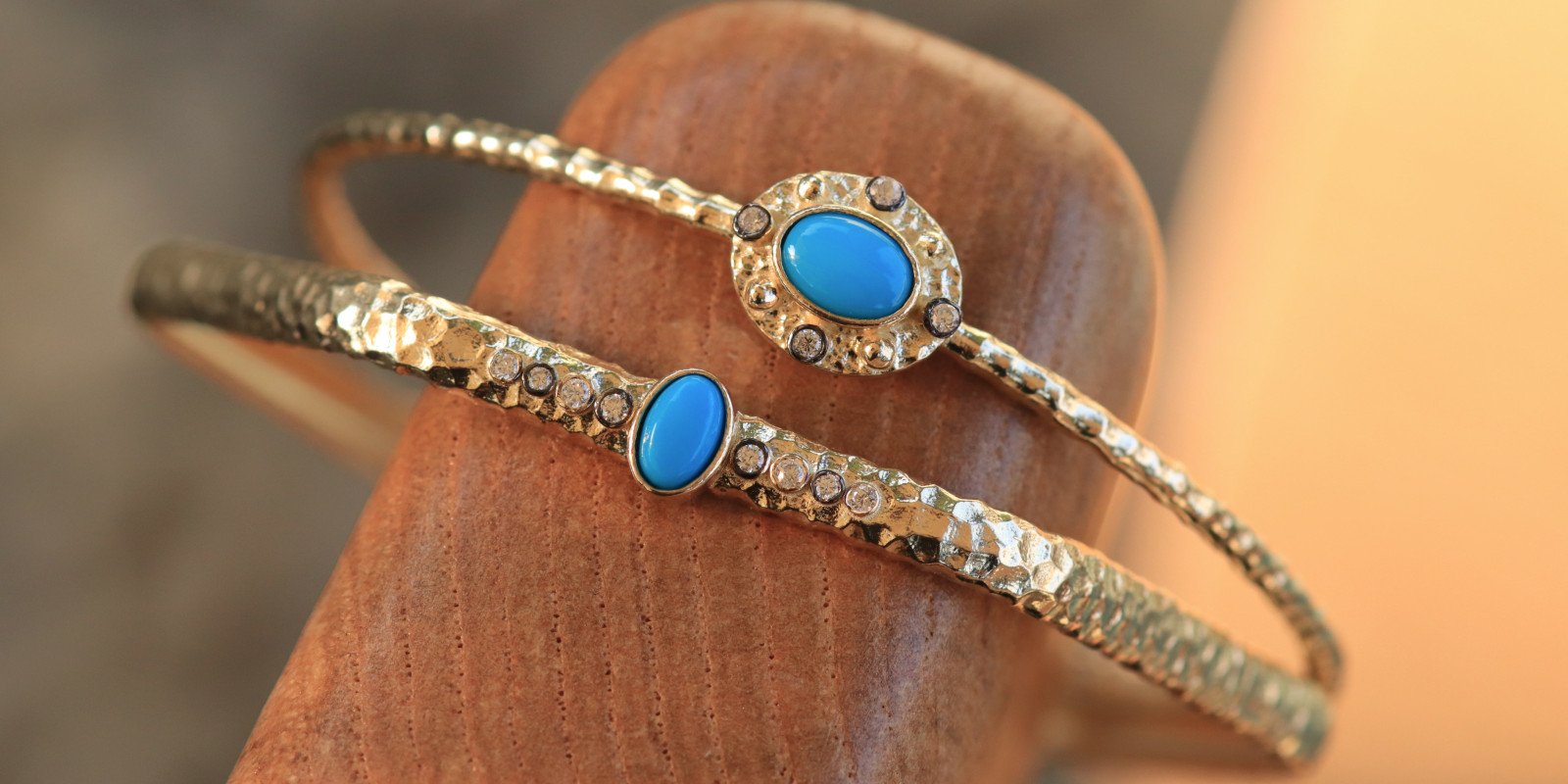
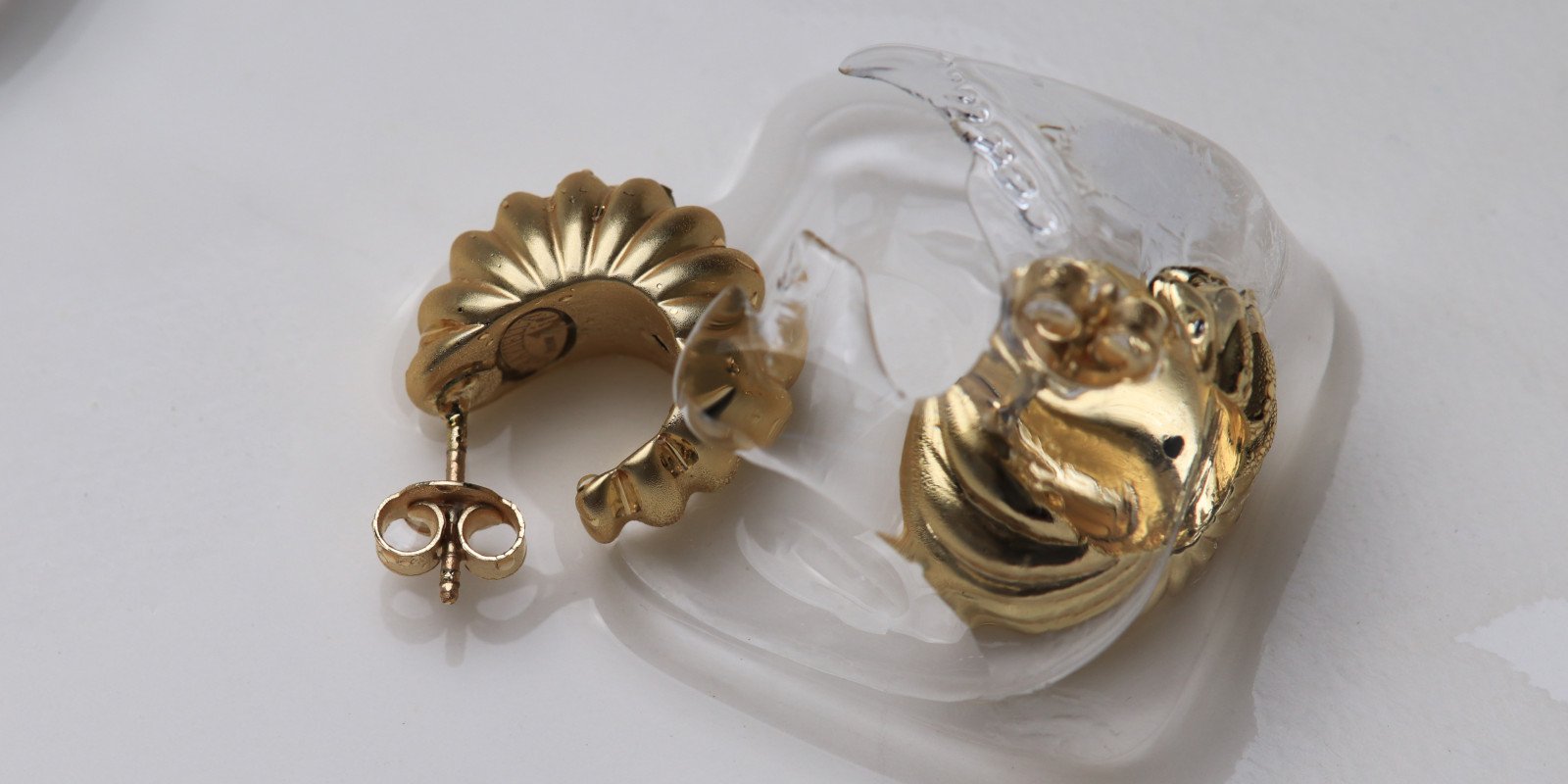
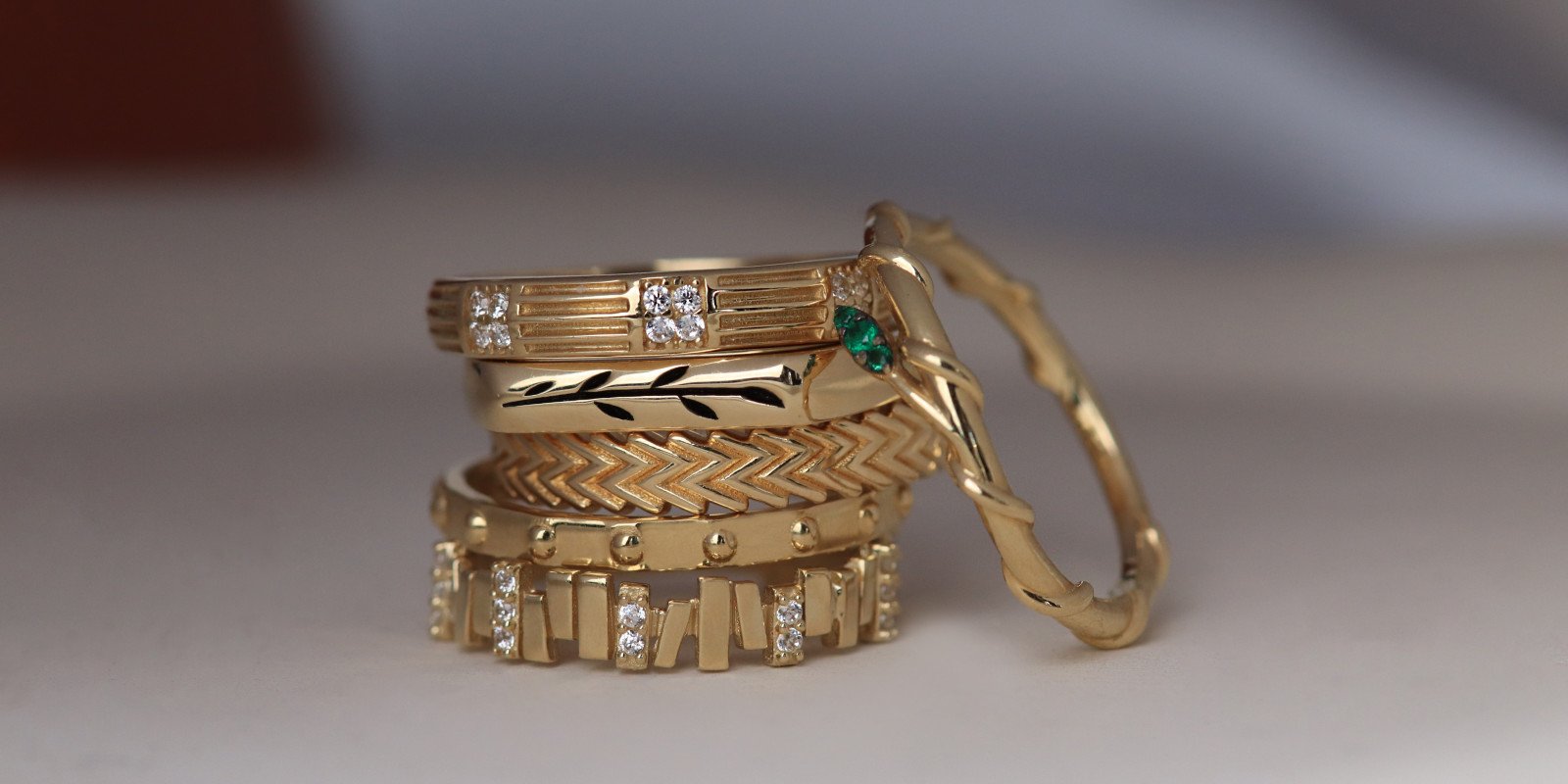
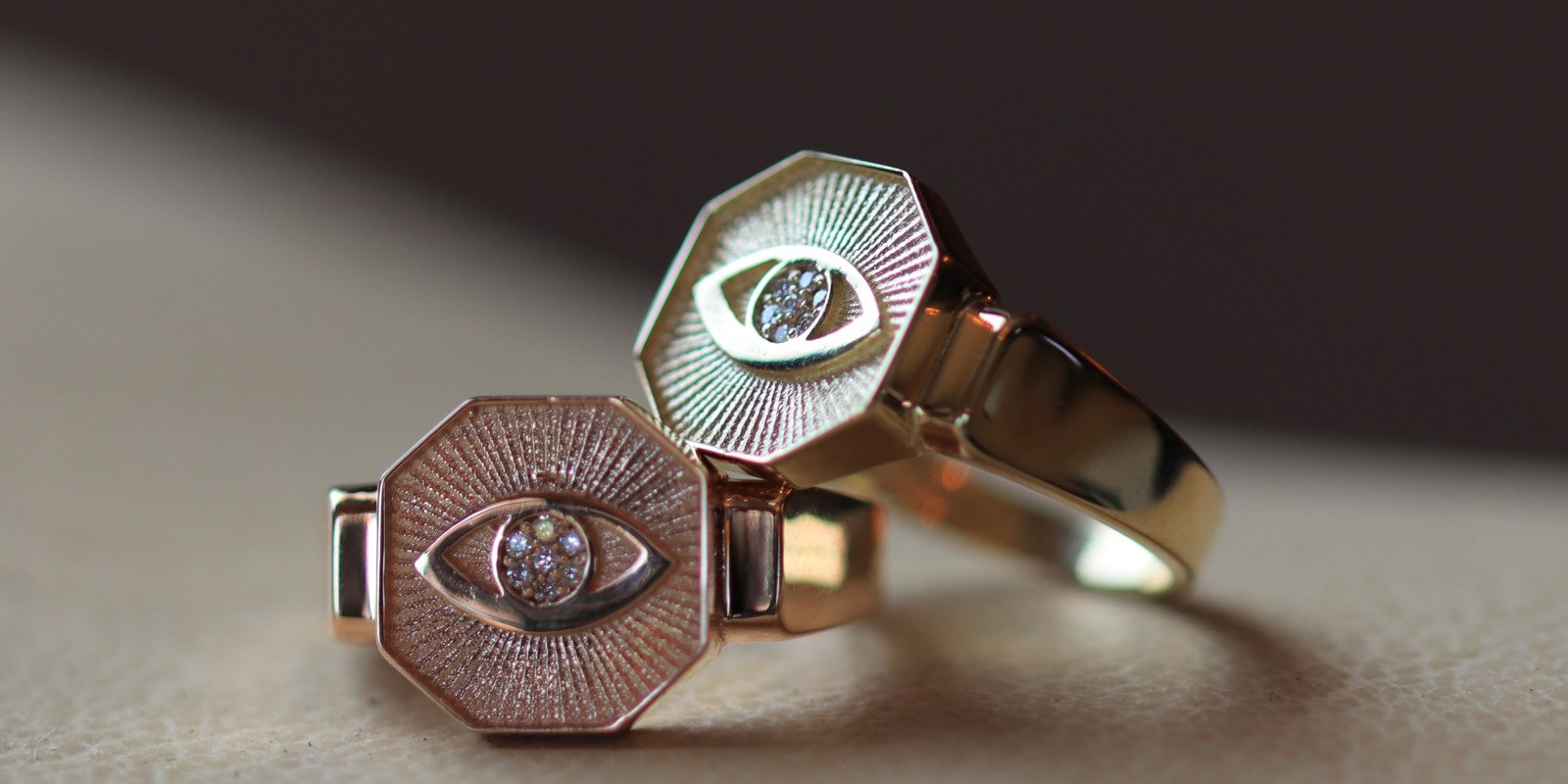
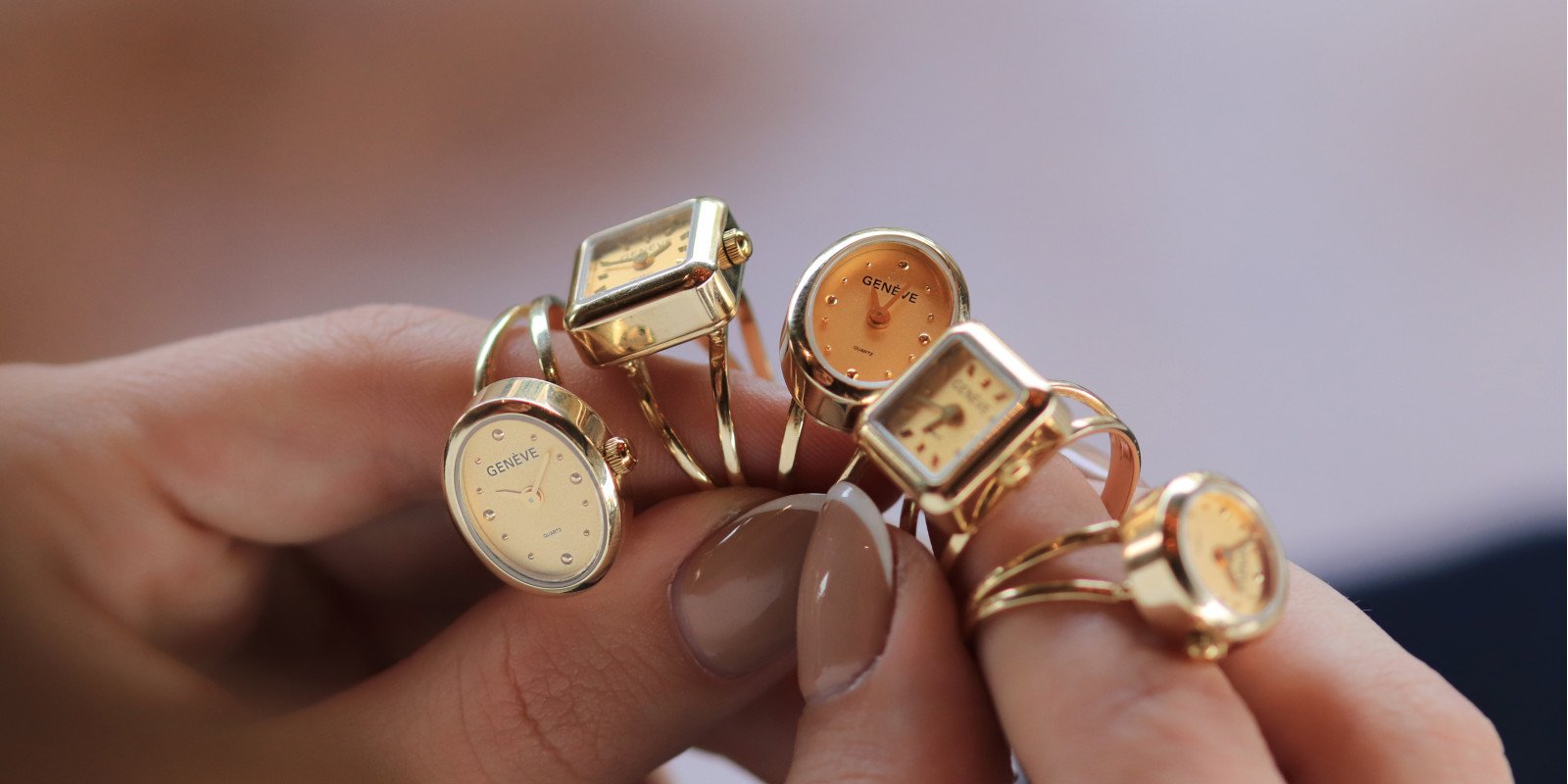
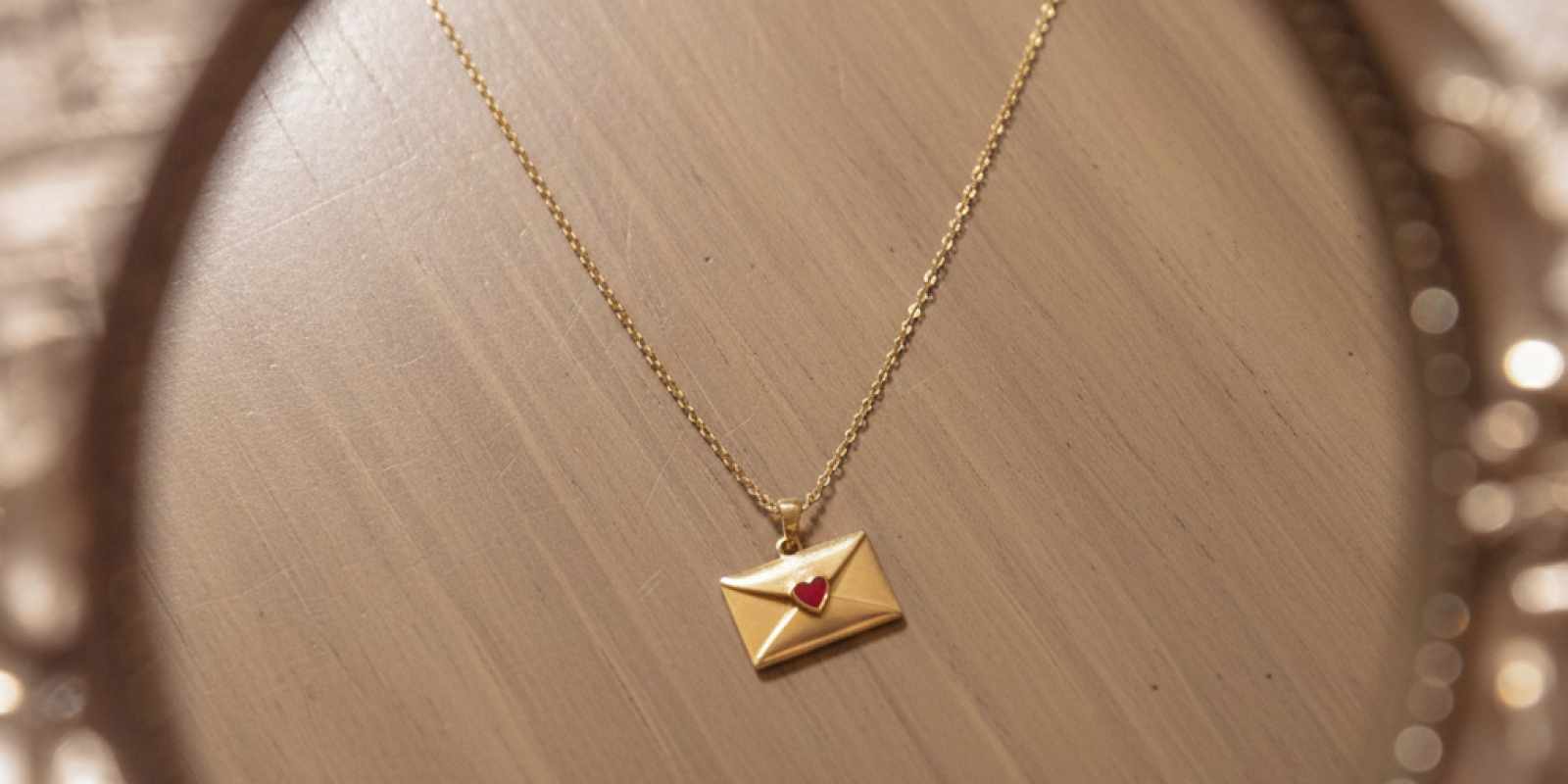
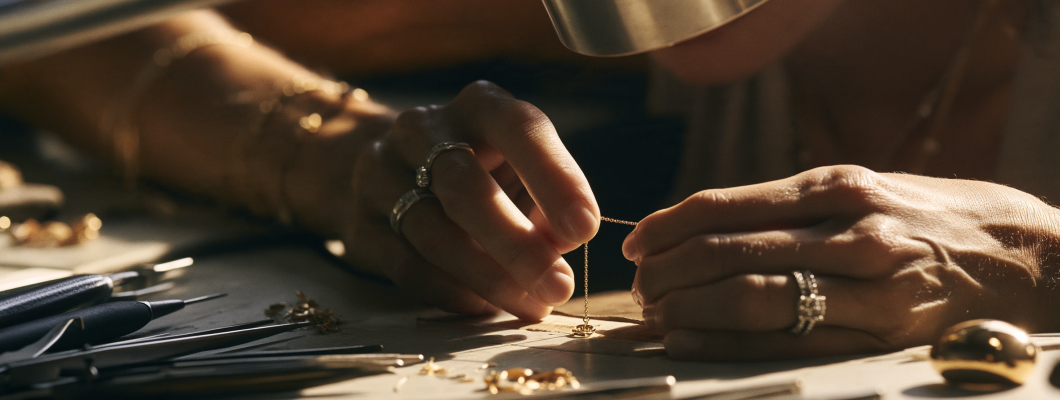
A delicate chain resting along the neckline or a gold ring catching daylight may look like a simple finished object. Behind that finished piece, however, can be a multi-stage jewelry process involving design, modeling, casting, surface work and final inspection. In this guide, we look at the main stages a gold jewelry piece may pass through and the approach behind product selection, craftsmanship and quality at Değerli.
From Design to Finished Gold Jewelry
The life of a jewelry piece does not begin only when precious metal is melted. Intended use, scale, weight, surface finish, stone setting and the way the piece will sit on the body can all be considered much earlier in the process.
At Değerli Kuyumculuk, contemporary 14K gold jewelry suited to everyday styling forms an important part of the selection. This makes proportions, clasp construction, chain balance, comfort and overall workmanship just as relevant as appearance.
How Does a Jewelry Idea Take Shape?
At the beginning of the process, how a piece will be worn can matter just as much as how it looks. Chain length, hoop diameter, pendant scale and ring proportions can all directly affect the experience of wearing the finished jewelry.
Inspiration can come from city life, travel, architecture, nature or historical jewelry forms. The goal is not simply to reproduce a short-lived trend, but to arrive at a balanced form that can remain wearable beyond a single season.
Not every piece in the Değerli selection is necessarily designed and manufactured from beginning to end through the same production model. Methods can vary according to the piece and manufacturer. The stages in this article describe processes commonly used in gold jewelry production.
What Matters When Choosing Gold Karat and Materials?
14K gold has an important place in the Değerli selection. It contains approximately 58.5% pure gold, with the remaining portion consisting of other metals that influence color and mechanical properties.
Because it is generally harder than pure gold, 14K gold is widely used for jewelry intended for regular wear. This does not mean that it cannot scratch or that its surface will never change. Cosmetics, perspiration, chemicals, friction and everyday use can all affect the appearance of jewelry over time.
The Main Stages of Jewelry Production
Gold jewelry can be made using different techniques depending on the design. Casting, stamping, chain production, hand fabrication and assembly methods may also be combined within a single piece. Many cast designs follow stages similar to those below.
Modeling and Mold Preparation
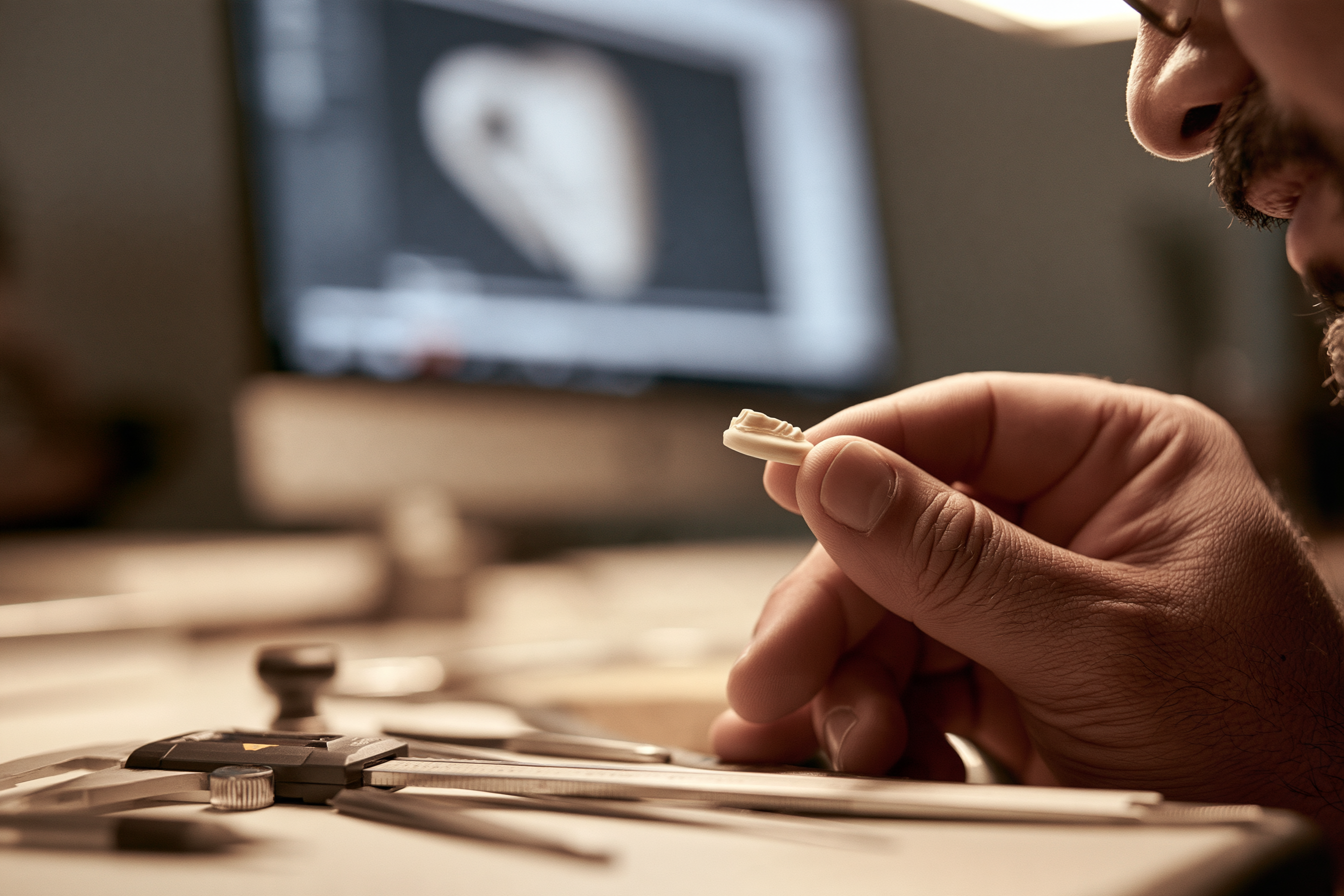
A design may begin as a hand drawing or be developed directly in a digital environment. Three-dimensional CAD modeling allows proportions, thicknesses, stone seats and connection points to be planned precisely.
The digital design can then be transformed into a physical production model. For pieces intended for casting, a wax or resin prototype may form the basis of the next stage.
Casting and Forming
In the lost-wax casting process, models are assembled on a casting tree and surrounded by a special investment material. Once the wax is removed, a cavity remains in the exact shape of the jewelry.
The prepared gold alloy is melted and introduced into this cavity. Once cooled, the piece is still far from finished and requires further cutting, assembly and surface work.
Stone Setting and Detail Work
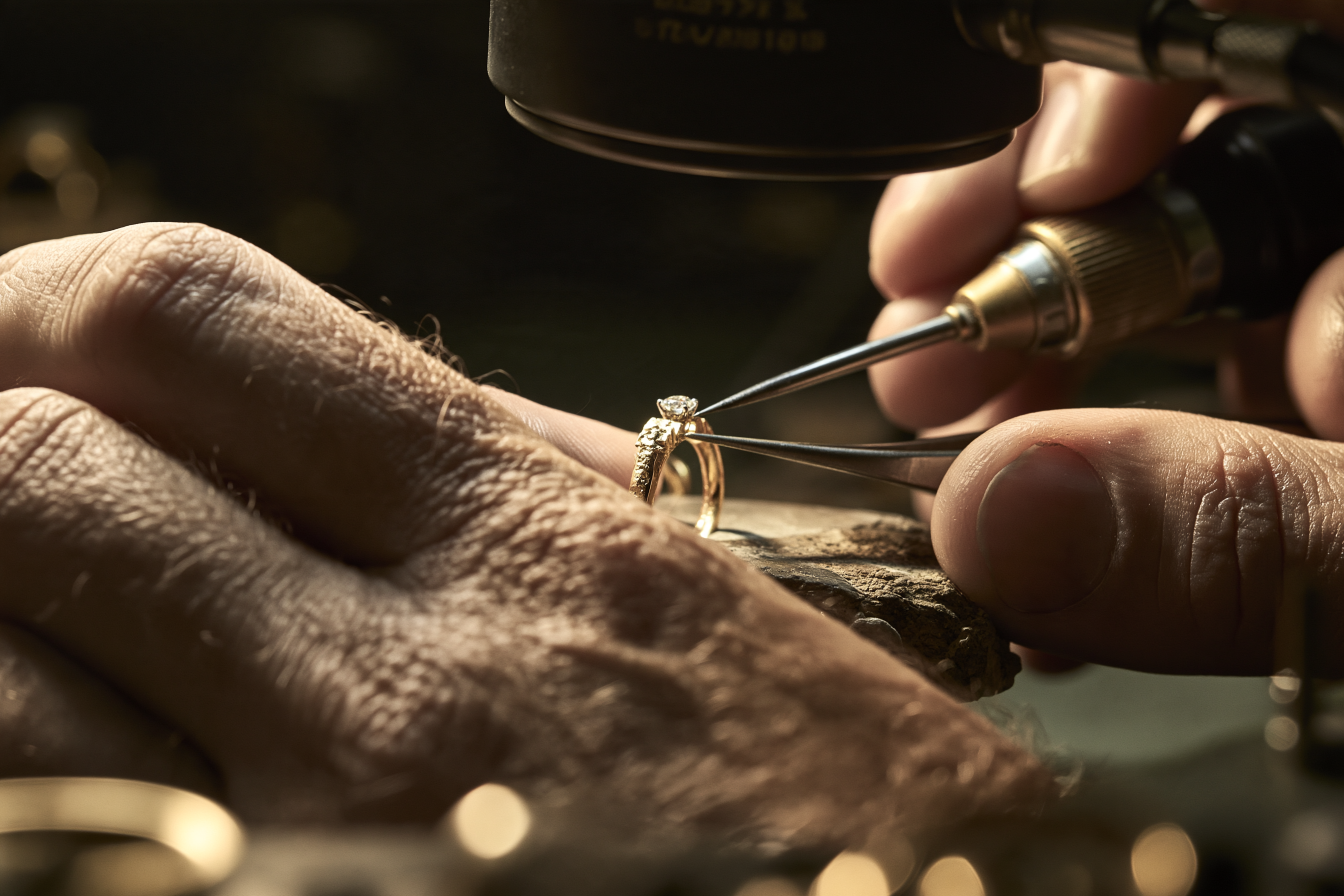
If the design includes stones, preparing the setting and securing each stone requires another level of precision. Prong, bezel, channel and other setting techniques may be selected according to the stone and design.
The goal is not only to secure the stone. Prongs, edges and areas that come into contact with skin or clothing also need to be finished carefully.
Polishing and Surface Finish
After casting and assembly, surface marks are removed and the intended finish is created. Polishing can produce a bright reflective surface, while other designs may use satin, matte or textured treatments.
White gold pieces can also receive additional surface treatments such as rhodium plating depending on the design.
Final Inspection
Once the piece is finished, clasps, connection points, stone settings, surface quality and overall form can be checked. Moving components in necklaces, bracelets and earrings require particular attention.
How Does Hand Craftsmanship Affect Jewelry?
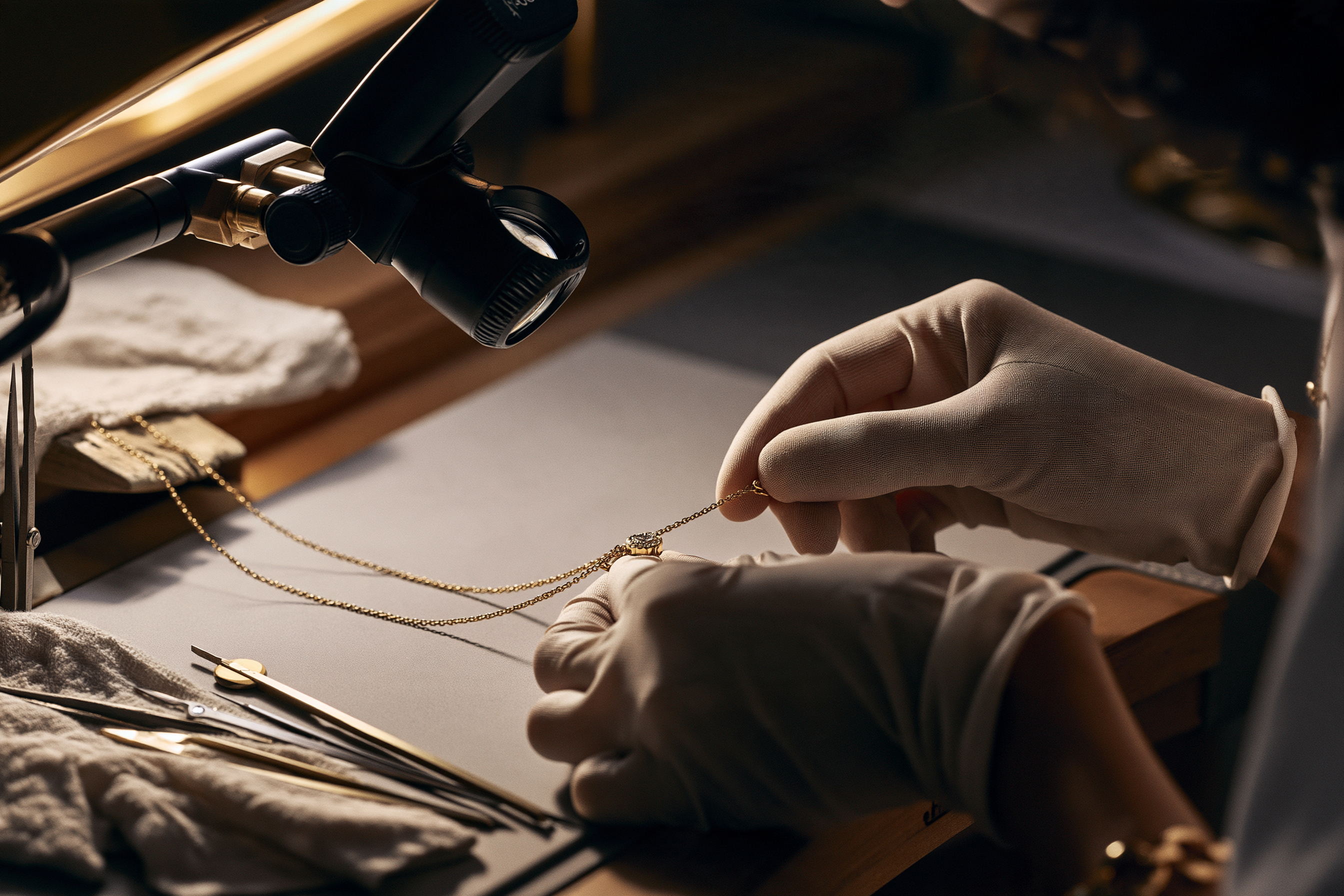
In contemporary jewelry making, machinery and hand craftsmanship do not need to be opposites. Digital modeling, precision tools and skilled handwork can all contribute to the same piece.
Small interventions during soldering, assembly, stone setting, surface correction and polishing can make a significant difference to the finished result. A carefully finished prong, smoothly functioning clasp or corrected surface mark may be tiny details, but they strongly influence the overall quality of the piece.
A visually simple piece is not necessarily simple to manufacture. Achieving balanced proportions, clean connections and precise finishing at a small scale can require significant care.
Quality Control and Jewelry Care
Değerli Kuyumculuk's jewelry experience dates back to 1985, while its online journey began in 2019. The relationship with a jewelry piece continues well beyond the moment it reaches its owner.
Cosmetics, perspiration, environmental residue and fine surface scratches can gradually affect the appearance of gold jewelry. Clasps, chain connections and stone settings may also require inspection after extended use.
Professional maintenance should always be selected according to the construction of the piece. Ultrasonic cleaning is not suitable for every gemstone or setting, while rhodium renewal for white gold and professional polishing should be evaluated according to actual need.
Discover What Comes Before the Finished Piece
Explore Değerli's selection of contemporary 14K gold jewelry designed for everyday style.
Explore All JewelryFrequently Asked Questions
How is gold jewelry made?
The process depends on the design. Modeling, mold preparation, casting, assembly, stone setting, surface finishing, polishing and quality inspection are among the common stages used in gold jewelry production.
What does 14K gold mean?
14K gold contains approximately 58.5% pure gold. The remaining portion consists of other metals that influence the alloy's color and mechanical properties.
What is lost-wax casting?
Lost-wax casting is a process in which a wax or similar model is removed from an investment mold, leaving a cavity that can then be filled with molten metal.
Where is hand craftsmanship used in jewelry making?
Depending on the design, handwork may be used during assembly, soldering, stone setting, surface correction, polishing and final inspection. Modern jewelry production often combines hand skills with precision technology.
Why can gold jewelry become dull over time?
Cosmetics, perspiration, soap residue, environmental dirt and fine surface scratches can gradually make gold jewelry look less reflective. Appropriate cleaning and professional maintenance can help restore its appearance.
Can every jewelry piece be cleaned ultrasonically?
No. Ultrasonic cleaning may not be suitable for certain gemstones, coatings or delicate settings. The cleaning method should be chosen according to the metal, stones and construction of the piece.