



The story of a diamond does not begin beneath the lights of a jewelry showcase. It begins deep within the Earth. Formed when carbon crystallizes under extraordinary pressure and temperature, natural diamonds carry a geological history measured in billions of years and make a remarkable journey toward the surface before becoming part of a piece of jewelry.
What Is a Diamond and Under What Conditions Does It Form?
A diamond is a natural mineral made essentially of carbon atoms. What separates it from graphite is not the element itself, but the way those carbon atoms are bonded within the crystal structure. Diamond's extremely strong three-dimensional lattice gives it exceptional hardness.
For this structure to develop naturally, carbon must be exposed to extremely high pressure and temperature. Typical conditions associated with natural diamond formation may reach pressures of around 5–6 GPa and temperatures commonly within roughly 900–1400°C, although exact conditions vary according to the geological environment.
Diamond and graphite are both made of carbon. Their dramatically different physical properties result primarily from the different ways their carbon atoms are arranged.
How Deep Underground Do Diamonds Form?
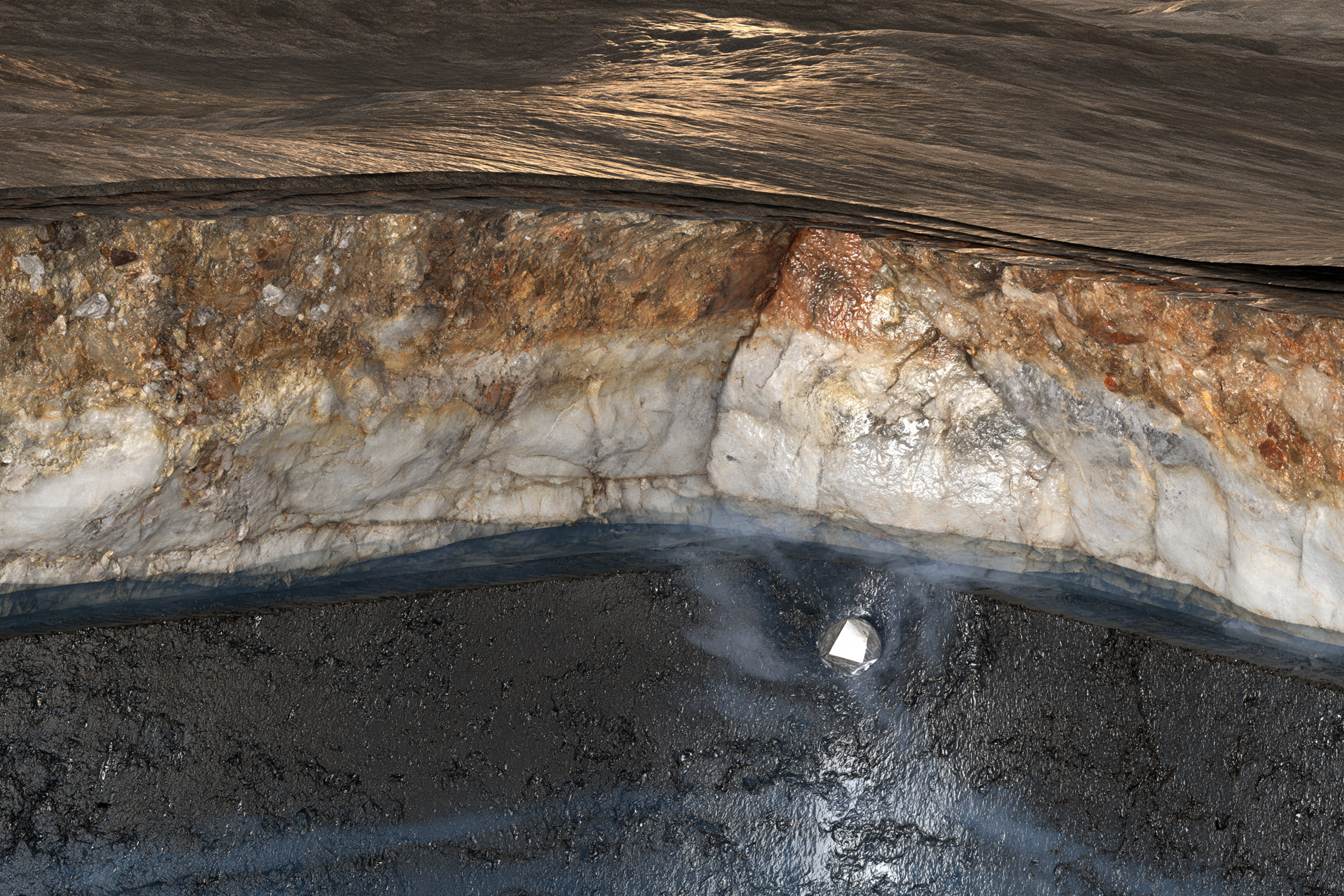
Most gem-quality natural diamonds form within the mantle beneath ancient continental regions, commonly at depths of approximately 140–200 kilometers. A much smaller group of rare diamonds can originate from considerably greater depths.
There is also a common misconception worth correcting: the Earth's mantle is not simply a vast ocean of molten magma. At the depths where most diamonds form, mantle rock remains predominantly solid despite the extreme temperatures. Under the right combination of pressure, temperature and carbon-bearing fluids, diamond crystals can develop within this environment.
How Long Does It Take for a Diamond to Form?
One of the most remarkable things about natural diamonds is their age. Scientific studies show that many natural diamonds are approximately 1 to 3.5 billion years old, with some examples dating back to very early periods in Earth's history.
However, saying that a diamond “takes three billion years to form” is misleading. These figures refer to the geological age of the diamonds rather than proving that an individual crystal grew continuously throughout that entire period. Diamond growth may occur during separate geological episodes.
Even so, the fact that a natural diamond seen in jewelry today can predate virtually all of human history is part of what makes it such an extraordinary material.
How Do Diamonds Reach the Earth's Surface?
Modern mining cannot simply reach the depths at which most natural diamonds originally formed. Instead, geological processes brought the diamonds much closer to the surface long before people discovered them.
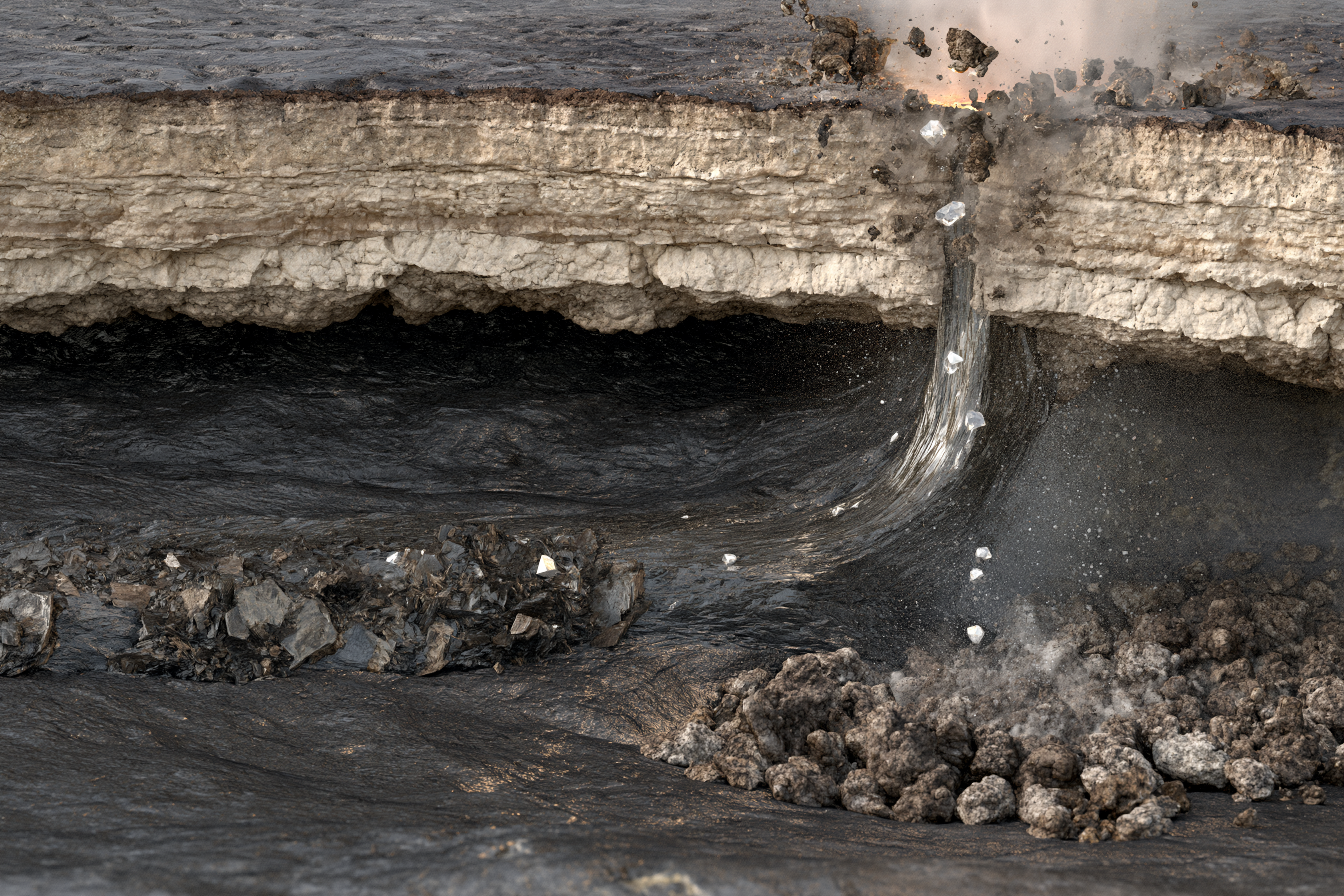
Kimberlite, and in some cases lamproite, plays an important role in this journey. Magma originating at great depth can capture pre-existing diamond crystals and transport them upward through the Earth's crust.
This ascent is extremely rapid on a geological timescale. Rapid transport is important because prolonged exposure to different pressure and temperature conditions can alter or damage the diamond crystals.
What Is the Difference Between Natural and Lab-Grown Diamonds?
Diamonds no longer come exclusively from nature. Modern technologies such as HPHT (High Pressure High Temperature) and CVD (Chemical Vapor Deposition) can also produce diamonds in controlled laboratory environments.
Lab-grown diamonds are not diamond simulants. Their crystal structure and fundamental chemical properties are those of diamond. The primary distinction is origin: natural diamonds form through geological processes deep within the Earth, while lab-grown diamonds are produced through controlled technological processes.
Distinguishing between the two cannot always be done reliably with the naked eye. Gemological laboratories can use advanced instruments and characteristic growth features to help determine whether a diamond is natural or laboratory-grown.
How Does a Rough Diamond Become a Gemstone?
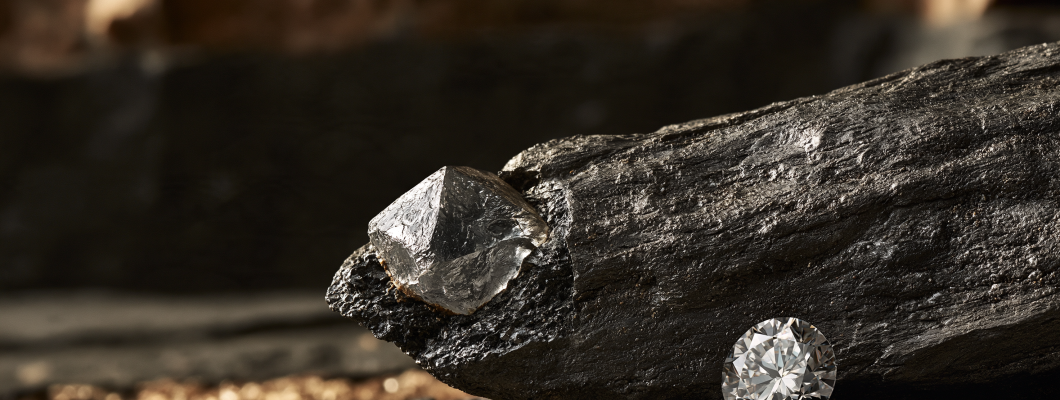
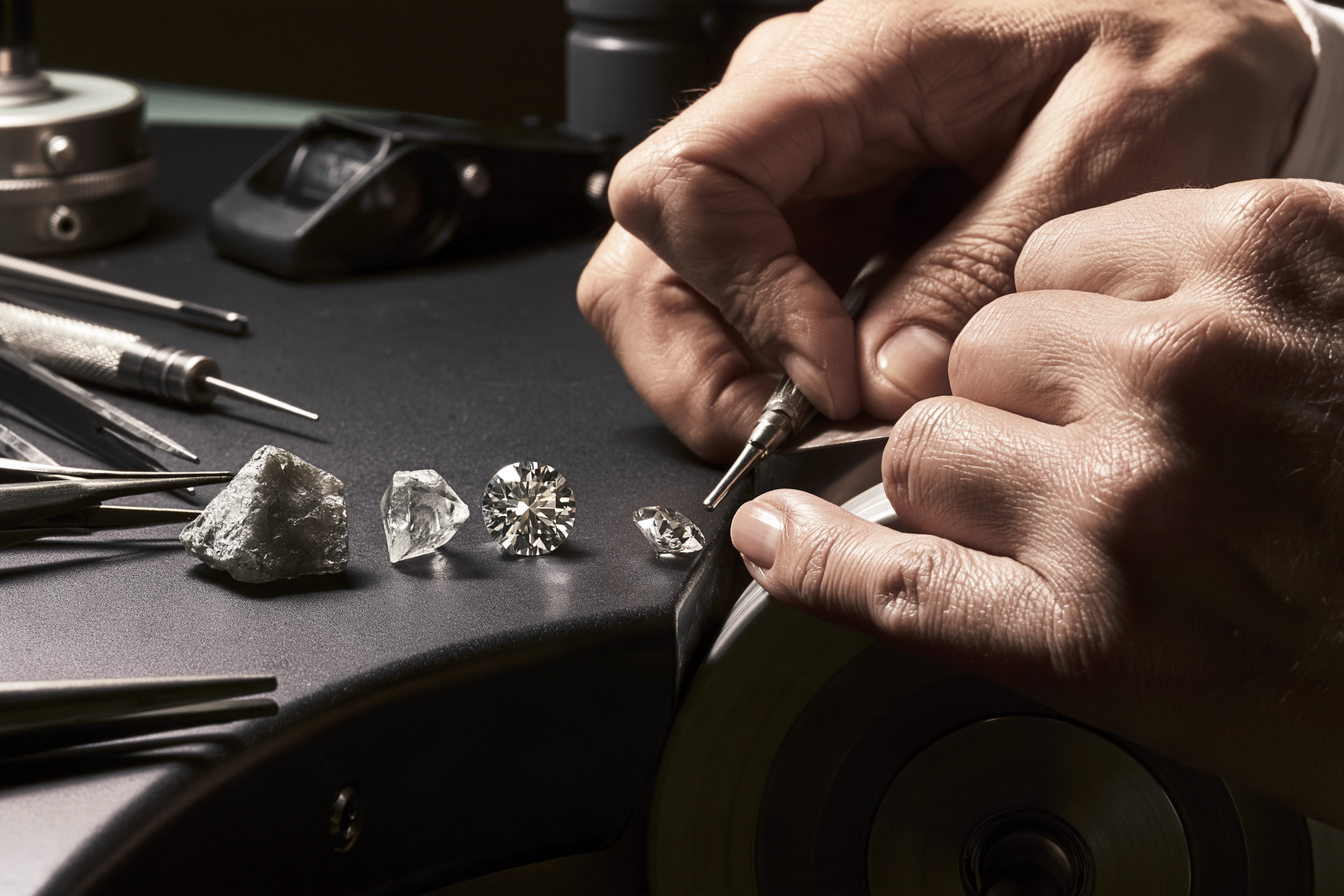
A rough diamond does not necessarily resemble the highly polished stone seen in finished jewelry. Specialists first assess the crystal's shape, surface, internal features and potential cutting yield.
Planning and Cutting
The first stage is deciding how the rough crystal should be divided and shaped. The aim is not simply to preserve the greatest possible weight, but to balance size, clarity, proportions and potential light performance.
Faceting and Polishing
During cutting, flat surfaces known as facets are created on the diamond. Their angles and proportions directly affect how light enters, travels through and returns from the stone.
Each facet is then carefully polished. Through this process, a rough crystal that may initially appear relatively understated becomes a gemstone capable of returning light with remarkable intensity.
The 4Cs: How Is Diamond Quality Evaluated?
Four widely used characteristics help describe and evaluate cut diamonds:
- Cut: Relates to proportions, symmetry, polish and the way a diamond handles light.
- Color: Describes the degree of visible color in diamonds evaluated within a colorless grading system.
- Clarity: Evaluates natural internal and surface characteristics.
- Carat: A unit of diamond weight. One carat equals 0.20 grams.
What Is the Difference Between a Diamond and a Brilliant Cut?
The terminology can be confusing, particularly because the Turkish word “pırlanta” is often used in jewelry retail to describe a faceted diamond with a brilliant appearance. Scientifically, diamond is the mineral itself, while brilliant refers to a style of cutting designed to enhance light return.
The classic round brilliant commonly has 57 facets, or 58 when the culet is included as a facet. Diamonds can also be fashioned into many other shapes and cutting styles, including oval, pear, baguette, marquise, princess and emerald cuts.
A brilliant-cut diamond is not a different mineral. The underlying material is still diamond; the distinction lies in how the stone has been cut and faceted.
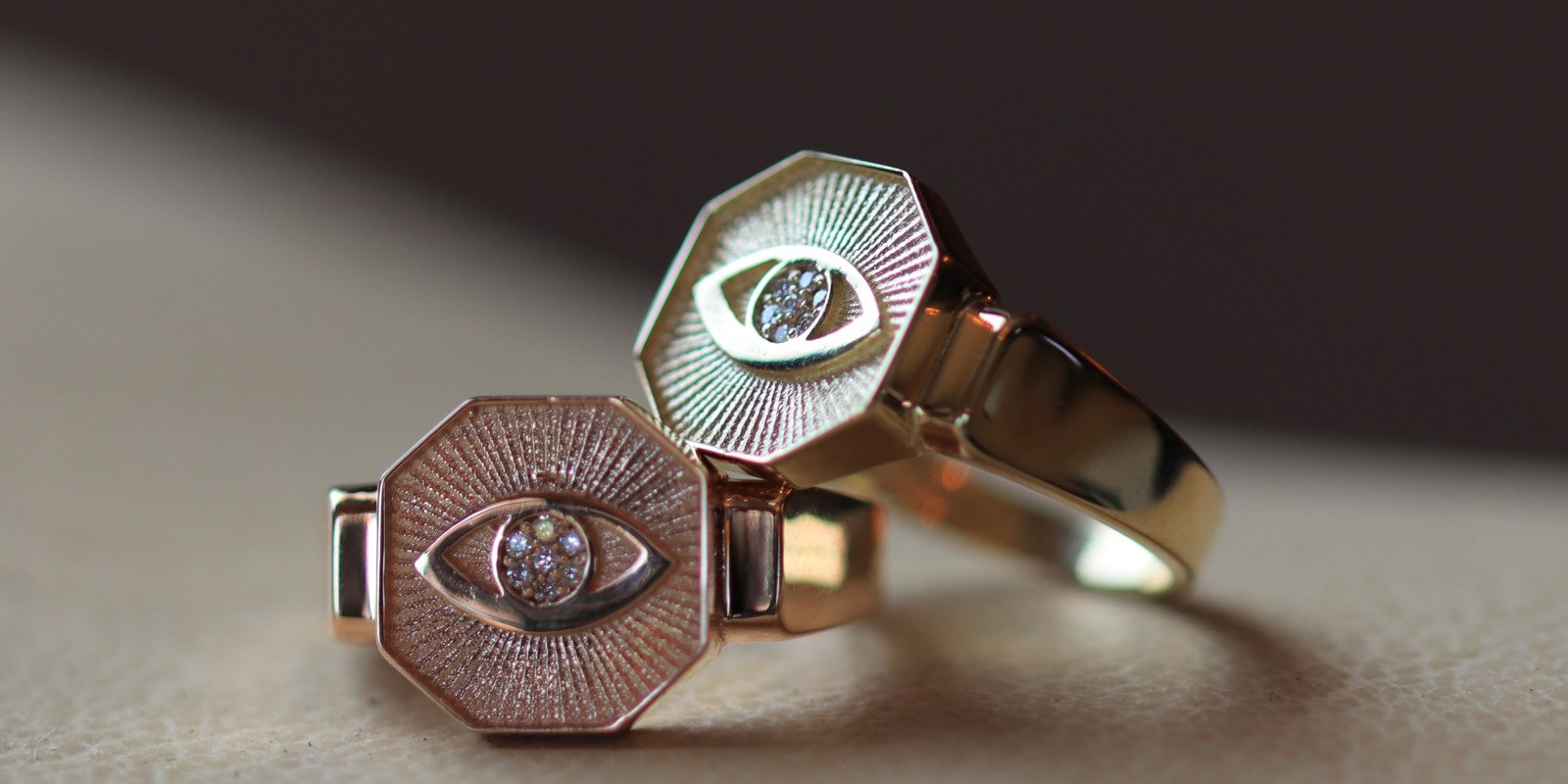
If you would like to see how the warmth of gold meets the brilliance of diamond, explore the Değerli diamond jewelry collection.
Billions of Years of History, Captured in Light
Discover how the extraordinary natural journey of diamond becomes part of contemporary jewelry.
Explore Diamond JewelryFrequently Asked Questions
Do diamonds come from coal?
No. Contrary to a common myth, most gem-quality natural diamonds do not form from coal. They develop from carbon sources much deeper within the Earth under suitable pressure and temperature conditions.
How long does it take for a diamond to form?
Many natural diamonds are approximately 1 to 3.5 billion years old. This describes their geological age and does not mean that an individual crystal necessarily grew continuously for billions of years.
How deep underground do diamonds form?
Most gem-quality natural diamonds form approximately 140–200 kilometers beneath the Earth's surface under suitable mantle pressure and temperature conditions.
How do diamonds reach the surface?
Natural diamonds are commonly transported from the deep mantle toward the surface by rapidly ascending volcanic magmas associated with rocks such as kimberlite.
Are diamond and brilliant the same thing?
Diamond is the mineral. Brilliant describes a faceted cutting style designed to optimize light return. A brilliant-cut diamond is therefore still a diamond.
Is a lab-grown diamond a real diamond?
Yes. A lab-grown diamond is not merely a diamond imitation. It has the crystal structure and fundamental chemical properties of diamond; the main difference from a natural diamond is its origin and production environment.