
What to Know Before Getting a Piercing
A piercing may look like a small styling detail, but the procedure creates a new channel through the skin that the body needs time to heal. Before getting pierced, it is important to think beyond the jewelry itself and consider anatomy, placement, the experience of the piercer, the quality of the initial jewelry and the healing process. Planning these details in advance can make the experience easier to manage in everyday life.
Note: Piercing procedures and healing vary from person to person. Advice from a qualified piercer and, when necessary, a healthcare professional should take priority for new or problematic piercings.
What Should You Know Before Getting a Piercing?
A new piercing is more than an accessory choice; it begins a biological healing process. Placement, jewelry and aftercare should therefore be considered together before the procedure.
Questions such as “Will it catch on my clothes?”, “Will headphones irritate it?” or “Is this placement suitable for my ear?” are practical considerations worth addressing before the appointment. Long-term comfort matters just as much as appearance.
How Should You Choose a Piercing Placement?
Anatomy, daily habits and pressure on the area should all be considered when choosing a piercing. If you regularly wear in-ear headphones, placements such as the tragus or conch may affect comfort. Glasses, helmets, headbands and frequent phone use can also create friction around certain ear piercings.
Not every cartilage piercing is suitable for every ear. A professional piercer should assess the natural shape of the ear before deciding on placement, angle and jewelry style.
If you plan to build a multi-piercing ear look, the position of existing holes and the way you wear multiple earrings can also guide the new placement.
What Should You Look for in a Piercing Studio?
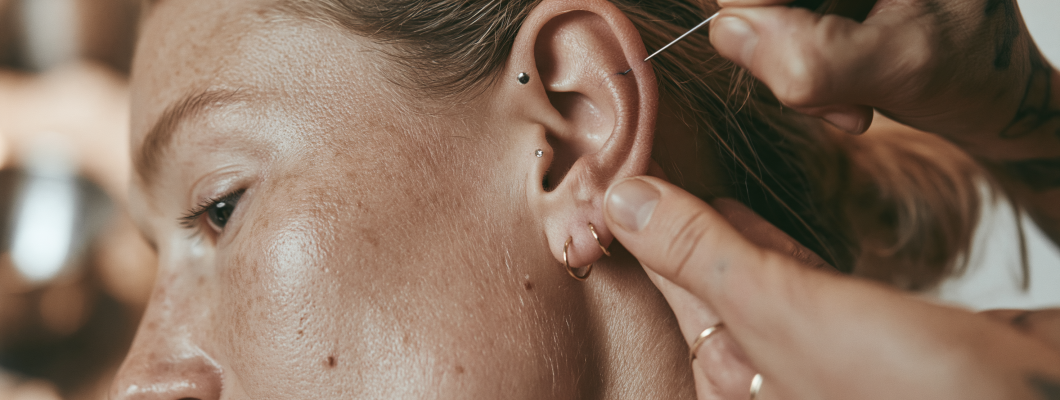
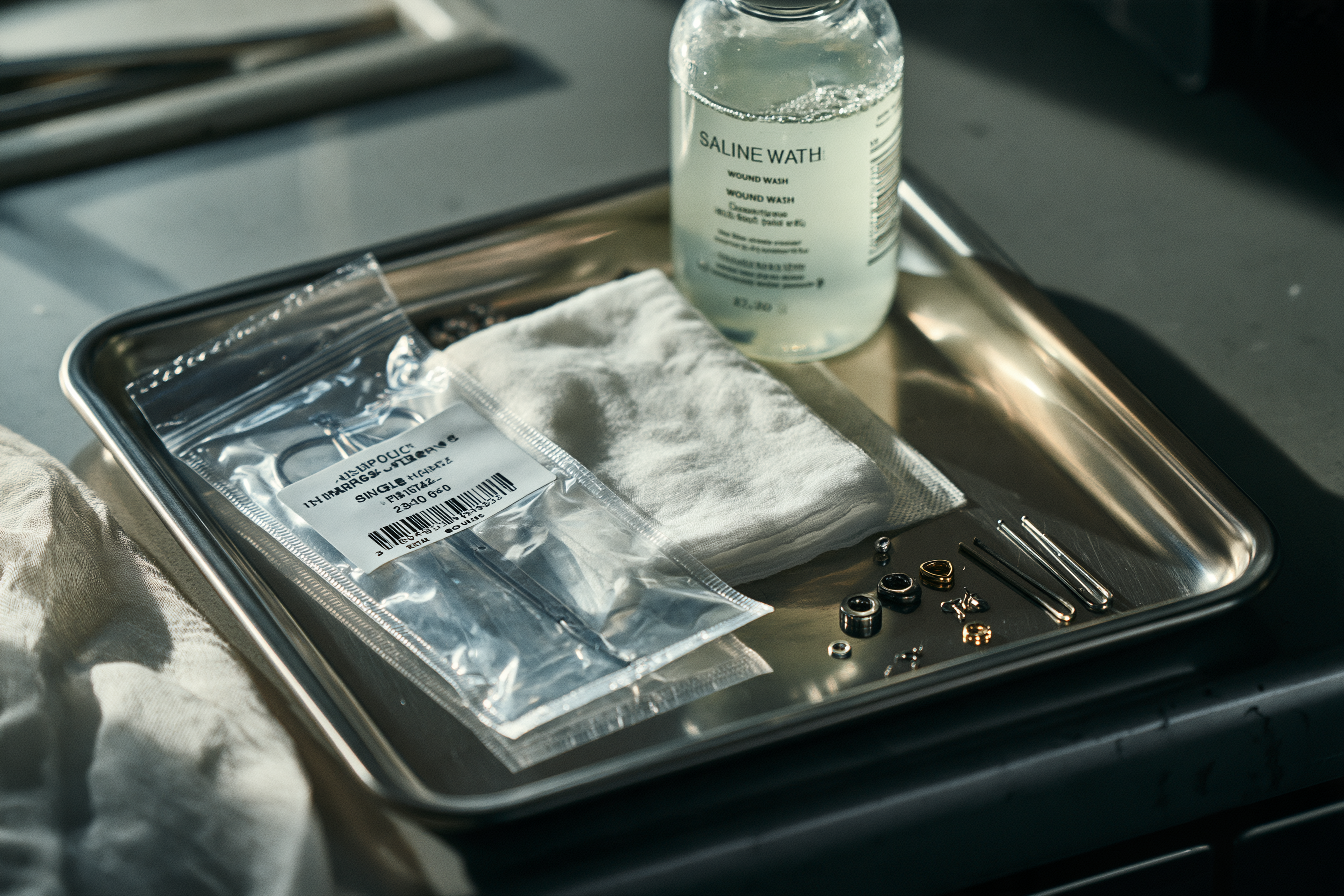
Hygiene practices and the experience of the piercer matter more than the decorative side of the appointment. The piercing needle should be sterile and single-use, the working area should be clean and reusable equipment should be properly sterilized.
A professional piercer should assess whether the placement suits your anatomy, explain the size and material of the initial jewelry and give clear aftercare instructions before you leave.
Why Does Piercing Jewelry Material Matter?
Initial jewelry remains in direct contact with healing tissue. Material quality, surface finish, size and design are therefore important alongside appearance.
Common materials used for fresh piercings include implant-standard titanium, certain compliant steels, niobium and solid gold that meets specific conditions. A simple “14K gold” label is not enough by itself. Gold intended for an initial piercing should be solid 14K–18K, nickel- and cadmium-free and manufactured as suitable body jewelry.
Gold-plated, gold-filled and vermeil jewelry are not considered appropriate for fresh piercings. Once the piercing has fully healed, you can explore gold piercing and cuff earring designs that fit your style.
How Should You Prepare Before a Piercing Appointment?
Getting enough rest and eating a normal meal before the appointment can help you feel more comfortable during the procedure. Avoid alcohol or substances that may affect judgment before the appointment.
For an ear piercing, keeping clean hair away from the area helps the piercer see and access the placement clearly. There is no need to create a very tight hairstyle that puts unnecessary pressure on the ear.
Tell your piercer about known metal allergies, relevant skin problems, medications or health conditions that may affect healing. If necessary, discuss these issues with a healthcare professional as well.
The Healing Process After a Piercing
A piercing may look healed on the outside while the internal channel is still fragile. The fact that redness or tenderness has disappeared does not necessarily mean the piercing is fully healed.
Earlobe piercings often heal in around 6–8 weeks, while cartilage piercings such as helix, tragus, conch, rook and daith may take around 6–12 months. Healing times vary with anatomy, health, placement and aftercare.
Cleaning and Aftercare
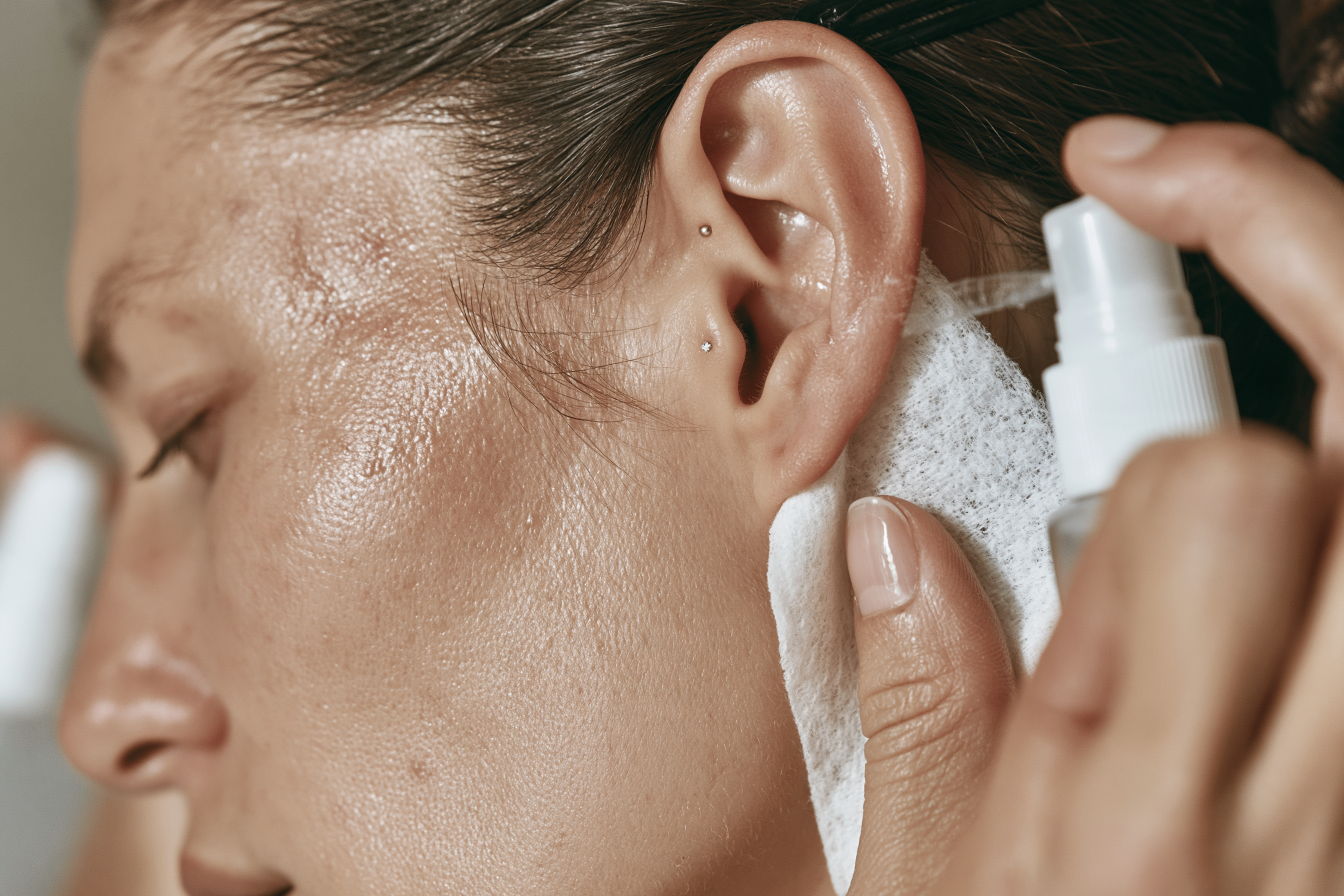
Wash your hands before touching the piercing. A sterile wound wash containing 0.9% sodium chloride can be used for aftercare. A commercially prepared sterile saline is more predictable than mixing salt water at home.
There is no need to twist, rotate or move the jewelry back and forth during cleaning. This can irritate healing tissue. Alcohol, hydrogen peroxide and harsh antiseptics can also cause unnecessary irritation and are generally avoided.
Changing the Jewelry
Initial jewelry may be deliberately sized to allow room for swelling. Once swelling subsides, some piercings benefit from a shorter piece of jewelry. This professional adjustment, often called downsizing, can occur before full healing when performed by a qualified piercer.
Cosmetic jewelry changes should otherwise wait until the piercing has healed sufficiently. Changing cartilage jewelry too early can irritate the channel and prolong healing. Once fully healed, basic gold earrings and other piercing styles can be used to build new combinations.
What Should You Avoid During Healing?
Avoid unnecessary touching, twisting the jewelry, sleeping directly on the piercing and repeated snagging on hair or clothing. Pressure on a healing cartilage piercing can cause irritation and may even affect the angle of the piercing.
Avoid submerging a healing piercing in pools, lakes, oceans or hot tubs. Showers are generally preferable to baths; rinse away shampoo or soap residue and dry the area gently with a clean disposable material.
When Should You Seek Professional Advice?
Mild tenderness, localized swelling, redness and a small amount of pale fluid that dries into crust can be part of normal early healing.
Increasing pain or swelling, significant warmth, marked redness, blood or pus-like discharge, fever, chills or feeling generally unwell should be assessed for possible infection.
If you suspect an infection, do not remove the jewelry on your own. Unless a healthcare professional advises otherwise, leaving the jewelry in place is generally recommended. Persistent or enlarging bumps around a piercing also deserve professional assessment.
Save the Styling for After Healing
Explore understated gold piercing and cuff earring styles for fully healed piercings.
Explore Piercing StylesFrequently Asked Questions
What is a good placement for a first piercing?
The earlobe is commonly chosen for a first piercing because it generally heals faster than cartilage. Pain varies from person to person, and the best placement should still be selected according to individual anatomy.
How long does a piercing take to heal?
Earlobe piercings often heal in around 6–8 weeks, while cartilage piercings such as helix, tragus, conch, rook and daith may take around 6–12 months to heal fully.
When can piercing jewelry be changed?
Cosmetic changes should wait until the piercing has healed sufficiently. If the initial jewelry needs to be shortened after swelling has reduced, a professional piercer may perform a downsize earlier.
Can you shower after getting a piercing?
Yes. Showers are generally preferable to soaking in a bath. Avoid scrubbing the piercing, rinse away shampoo and soap residue thoroughly and dry the area gently afterward.
Does the material of initial piercing jewelry matter?
Yes. Material, size and surface quality all matter during healing. Implant-standard titanium and suitable solid 14K–18K gold are among the options used for initial piercings. A “14K” stamp alone does not guarantee that a piece is suitable for a fresh piercing.