
Because jewelry can stay in direct contact with the skin for hours, material, alloy, surface finish and wearing habits matter as much as design for people who experience sensitivity. Itching, redness or irritation after wearing earrings, rings or necklaces may be related to allergic contact dermatitis, friction, trapped moisture or product residue. The first step toward a more comfortable choice is understanding what your skin is actually reacting to.
Why Can Jewelry Cause Reactions on Sensitive Skin?
One of the best-known causes of jewelry-related skin reactions is nickel allergy. Nickel can be present in some jewelry alloys, clasps and metal components, and may trigger an itchy rash in people who are sensitized to it. Contact allergy can also develop to cobalt and, less commonly, to other metals including gold.
Not every red mark is an allergy. Tight rings, heavy earrings, rough surfaces, trapped moisture, sweat, soap and cosmetic residue can also irritate the skin. When reactions are recurrent or persistent, dermatologist-supervised patch testing can help identify a specific contact allergen.
What to Look for When Choosing Jewelry for Sensitive Skin
Material and Alloy
Labels such as “gold,” “steel” or even “hypoallergenic” do not guarantee that a piece will be reaction-free for every person. Gold jewelry is generally alloyed with other metals for strength and color, so the karat number alone does not reveal the full alloy composition.
If you have a known nickel allergy, look for products specifically documented as nickel-free and check the available material information before purchase.
Parts That Touch the Skin
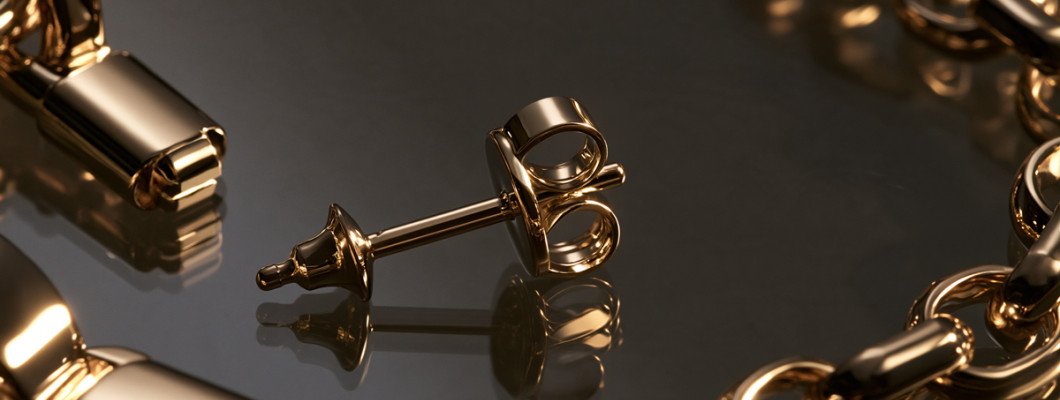
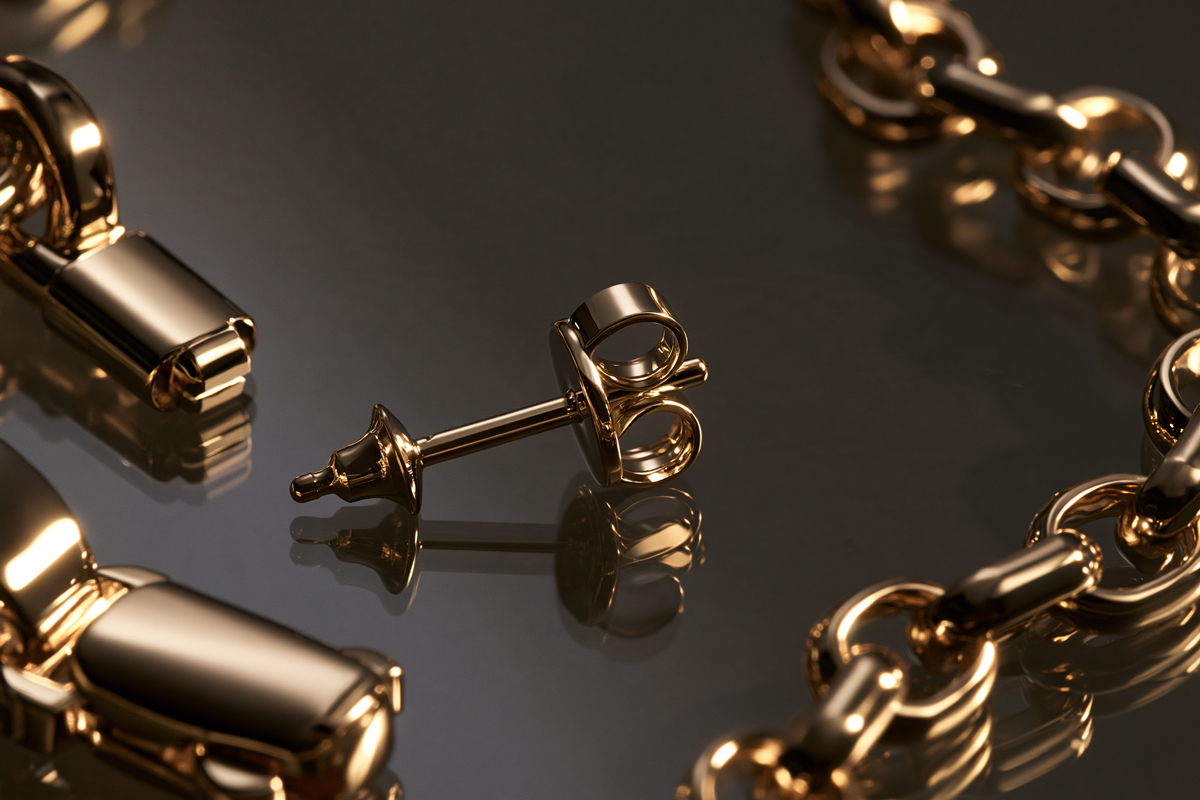
It is not only the visible decorative part that matters. Earring posts and backs, screw mechanisms, necklace clasps, chain links and soldered areas can all touch the skin.
Smooth finishes, rounded edges and correct sizing can help reduce friction. Very heavy earrings and overly tight rings or bracelets may increase mechanical irritation during long wear.
Length of Wear
The longer jewelry stays on the skin, the more opportunity there is for sweat, soap, lotion and moisture to collect underneath. If you are prone to irritation, removing jewelry at the end of the day, keeping the skin dry and taking a break from any piece that starts to cause discomfort may help.
Is Gold Jewelry Suitable for Sensitive Skin?
Gold has a long history in jewelry, but it is not accurate to say that all gold jewelry is allergy-free. Most jewelry is made from gold alloys rather than pure gold, with other metals added for strength and color. That means a “14K” or “18K” label alone does not tell you everything about potential allergens.
If you have a diagnosed metal allergy, ask about the alloy—particularly whether it contains nickel. Higher-karat yellow gold may reduce exposure to some alloying metals, but personal allergy history and documented composition still matter.
When choosing a Değerli piece, it is better to base the decision on available karat, weight, fit and material information rather than broad medical claims.

What to Consider When Choosing Earrings and Piercing Jewelry
A fresh piercing is a healing wound, so initial jewelry needs to be considered differently from jewelry worn in a fully healed piercing. Fit, surface quality and material can affect healing, which is why initial jewelry is best selected with a professional piercer.
The Association of Professional Piercers lists implant-standard titanium among suitable materials and also accepts solid gold of 14K or higher when it is nickel- and cadmium-free and alloyed for biocompatibility. In other words, not every piece of 14K gold automatically meets the requirements for a fresh piercing.
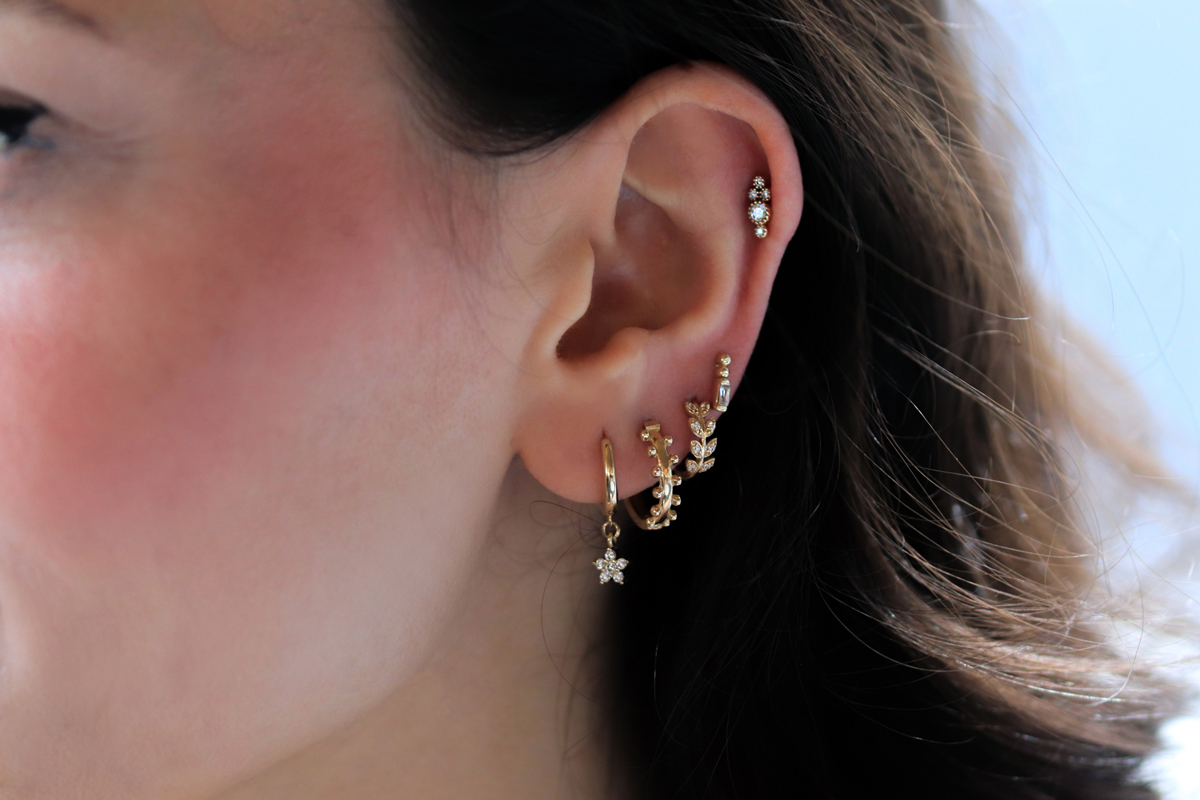
For healed ear piercings, comfort often comes down to weight, fit and surface finish. Posts and screw mechanisms should feel smooth and should not compress the ear unnecessarily.
For a new piercing, follow the timing and aftercare instructions given by your piercer or healthcare professional. Increasing pain, warmth, swelling or pus may indicate infection and should be medically assessed.
Everyday Tips for Wearing Jewelry on Sensitive Skin
- Apply cosmetics first: Let perfume, lotion and hair products dry before putting on jewelry.
- Keep skin dry: After washing hands or showering, dry the skin under rings and bracelets thoroughly.
- Stop when irritation starts: Continuing to wear a piece that causes itching, burning or redness can worsen the reaction.
- Limit overly tight or heavy pieces: Pressure and friction can irritate even without an allergy.
- Be mindful during exercise: Prolonged moisture and friction from sweat can make sensitive skin less comfortable.
- Avoid snagging: Take care when changing clothes around earrings and piercings.
Cleaning and Storing Jewelry
Cream, soap, makeup and sweat can collect on jewelry surfaces and may contribute to irritation. Unless the piece has different care instructions, everyday gold jewelry can often be cleaned gently with a soft cloth and, when needed, warm mildly soapy water. Dry it thoroughly afterward.
Cleaning jewelry is not the same as caring for a healing piercing. For a fresh piercing, do not improvise with alcohol, hydrogen peroxide or random antiseptics; follow professional aftercare instructions instead.
Store pieces separately to reduce scratching and surface wear. If a skin reaction keeps returning, more frequent cleaning alone is unlikely to solve the problem—the cause of the reaction needs to be identified.
Comfort Is Part of Good Design
Explore gold jewelry with fit, weight and everyday wear in mind.
Explore JewelryFrequently Asked Questions
What is the most common jewelry allergy?
Nickel is one of the most common causes of allergic contact dermatitis associated with jewelry. Sensitivity to cobalt, gold and other substances can also occur.
Is 14K gold always suitable for sensitive skin?
No. The 14K mark indicates gold content but does not identify every metal in the alloy. If you have a known metal allergy, check the alloy information.
How is nickel allergy diagnosed?
Repeated itching, redness or rash where metal touches the skin can suggest nickel allergy. Dermatologists can use patch testing to identify contact allergens.
Can any gold jewelry be used in a fresh piercing?
No. For initial piercing jewelry, alloy composition, surface quality and fit matter in addition to karat. Professional piercing standards require suitable gold to be nickel- and cadmium-free.
What should I do if jewelry makes my skin red?
Remove the piece and monitor the area. If the reaction persists, recurs or shows signs of infection, seek advice from a dermatologist or another healthcare professional.