
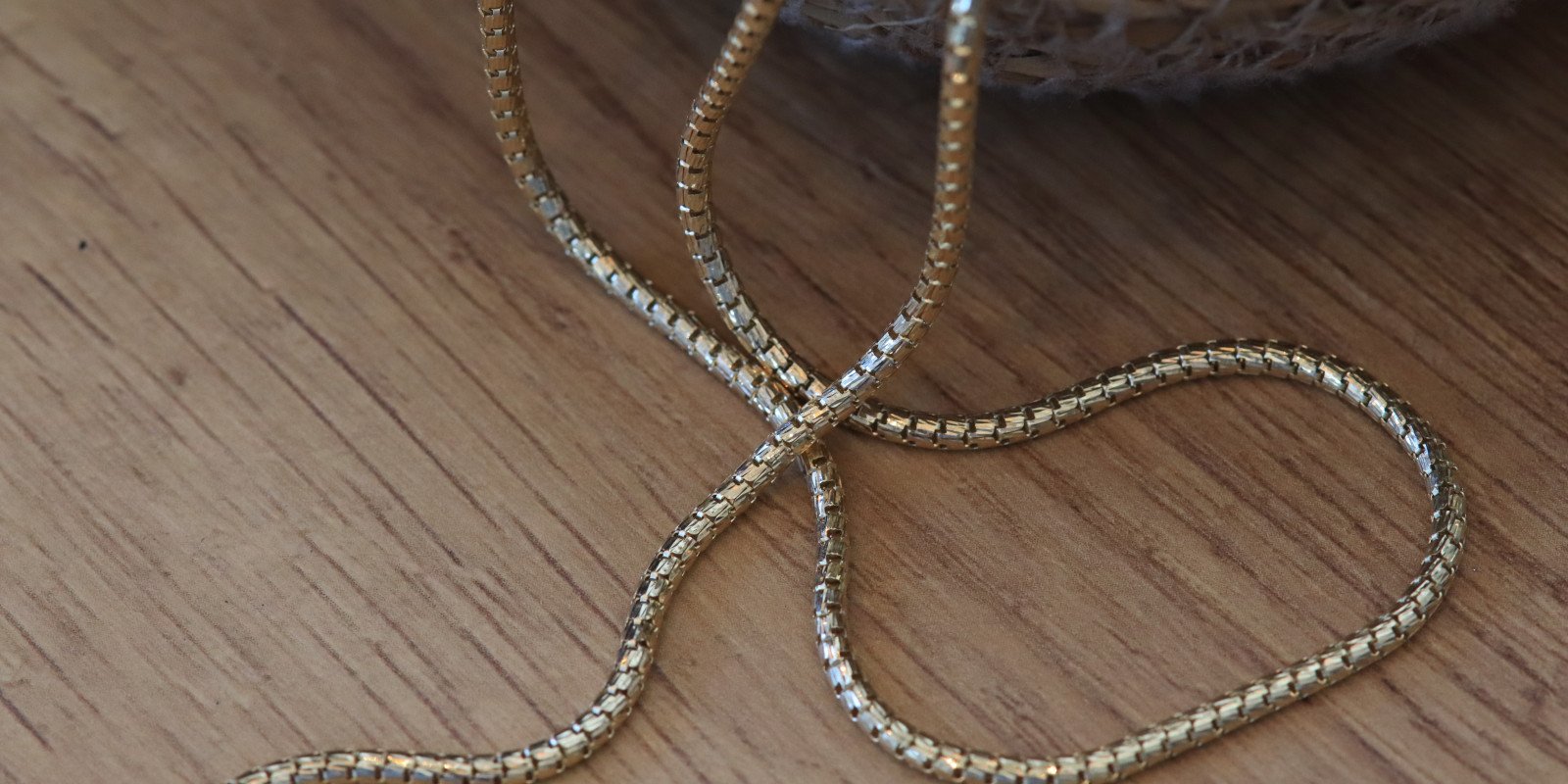
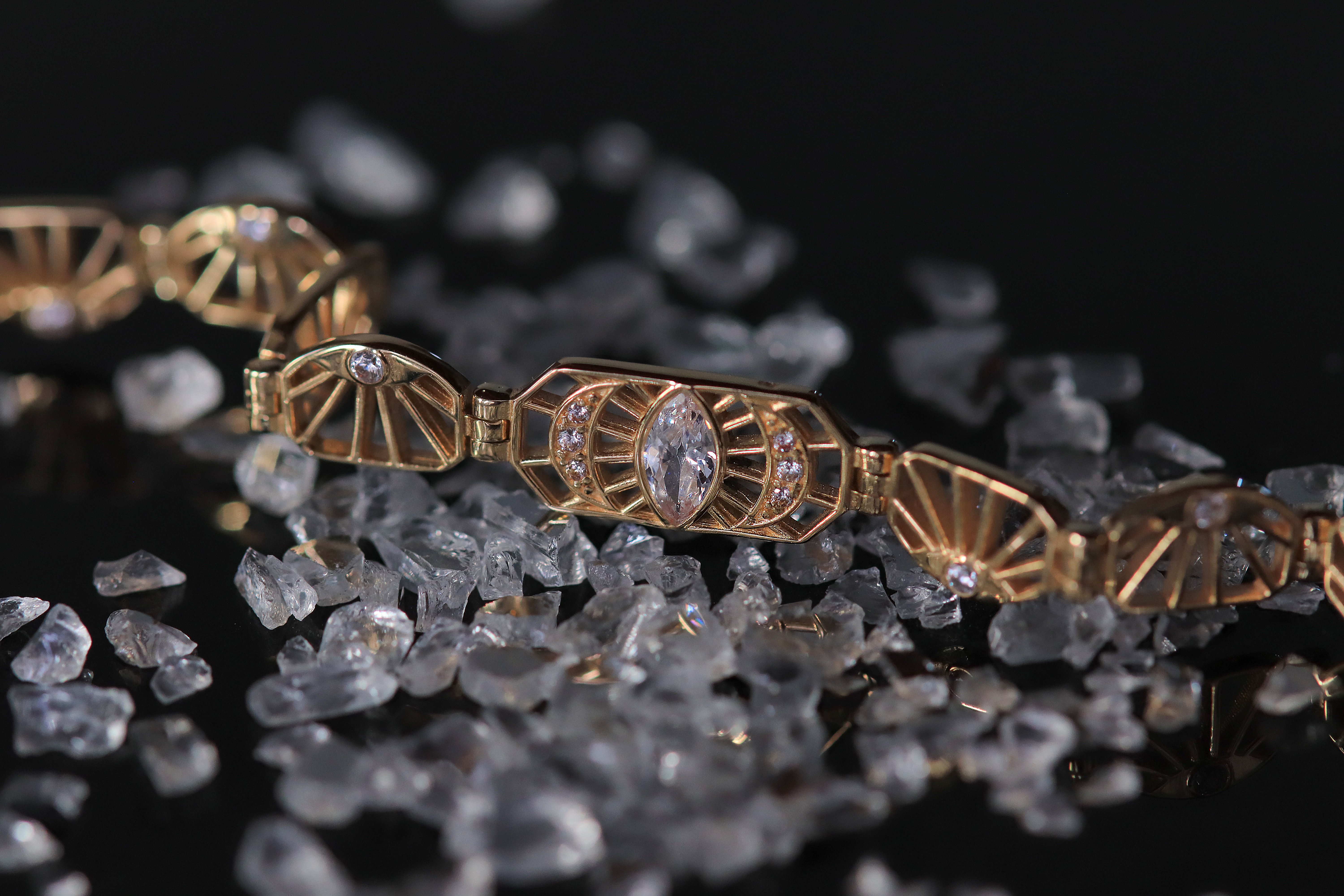
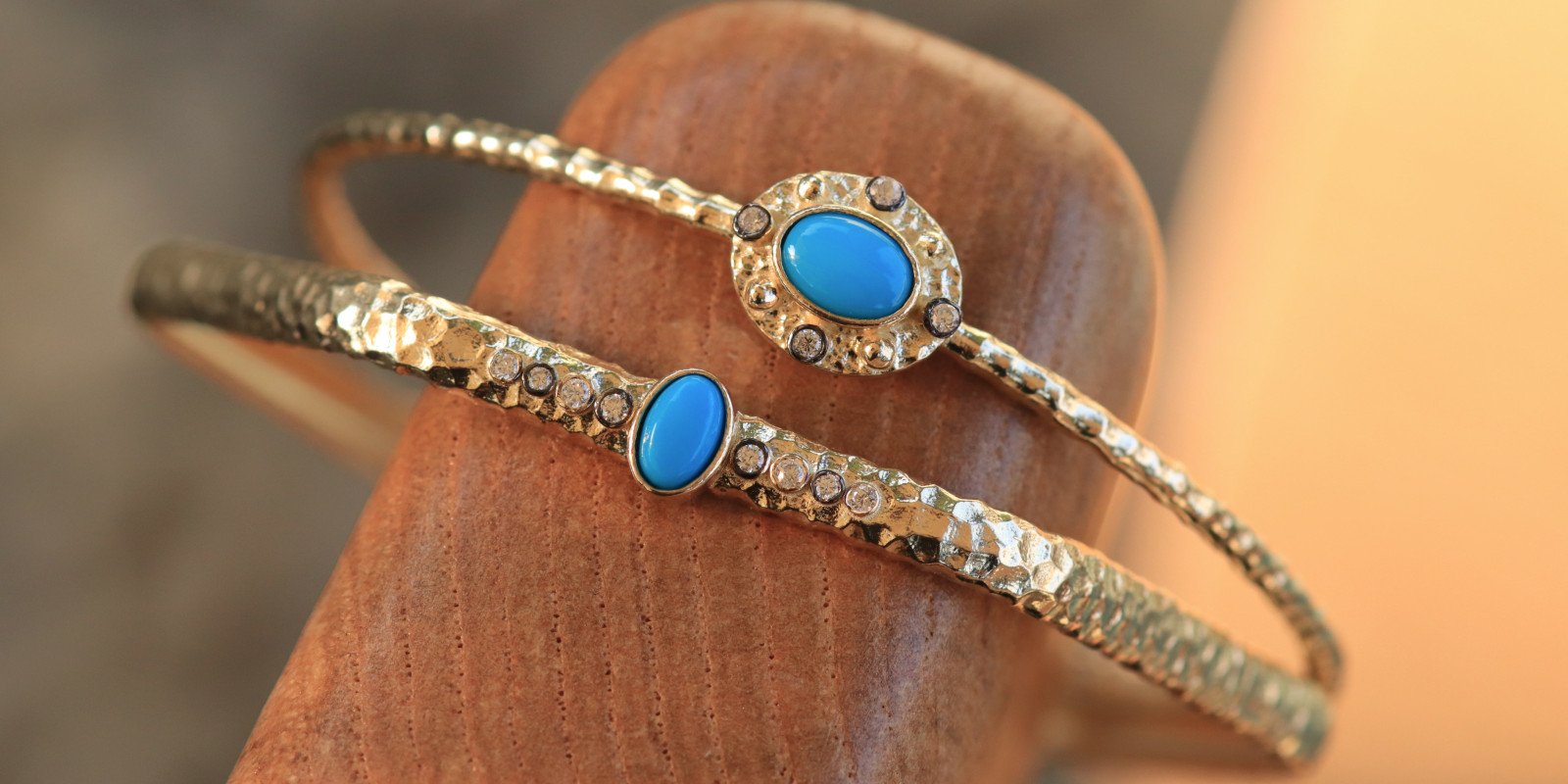
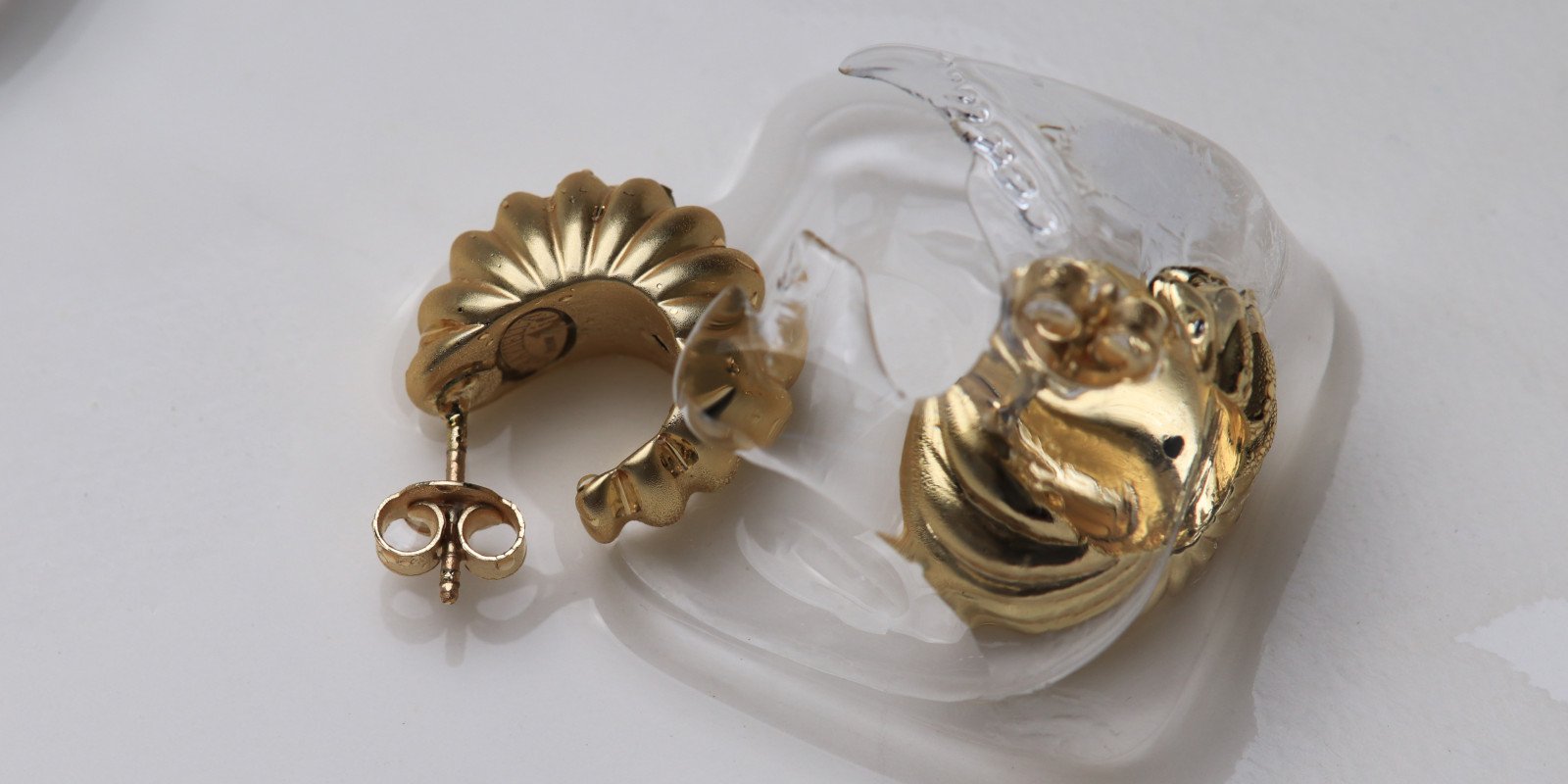
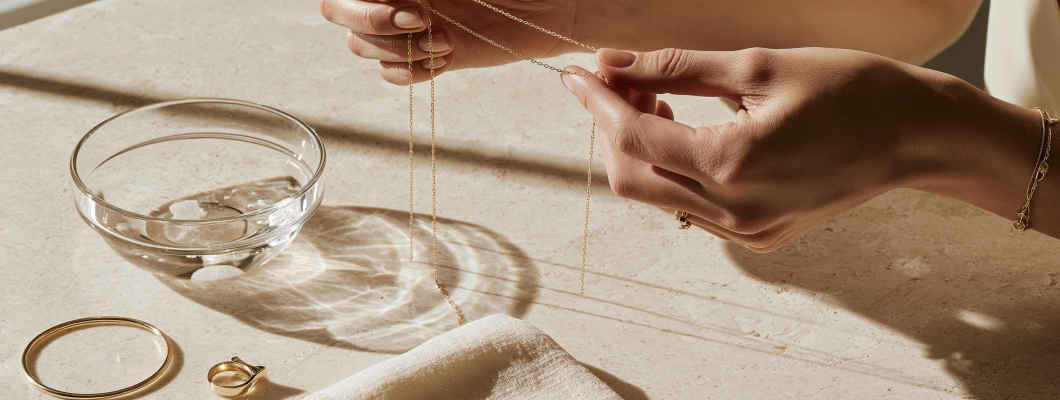
Gold jewelry worn close to the skin every day can gradually lose some of its visible shine as lotions, perfume, soap, perspiration, dust and other residues accumulate on the surface. In many cases, this does not mean the jewelry has been damaged. Gentle and appropriate cleaning can remove that film and allow the natural luster of the gold to become visible again.
Why Does Gold Jewelry Become Dull?
Gold is highly resistant to corrosion, but jewelry alloys such as 14K gold are not made from pure gold alone. Other metals are added to provide durability and color, which means everyday wear, chemicals and environmental exposure can gradually affect the appearance of the surface.
Lotions, fragrance, hair products, soap, perspiration and natural skin oils can also create a thin film over jewelry. A frequently worn gold necklace, ring or gold bracelet may therefore reflect less light even when the underlying piece remains structurally sound.
Dullness and scratching are not the same. Oils and cosmetic residue can often be removed through gentle cleaning. True polishing, which reduces visible scratches, removes a very small amount of metal and should be performed professionally only when needed.
How to Clean Gold Jewelry at Home
For plain, structurally sound gold jewelry without delicate stones or special surface treatments, the goal of home care is not to abrade the metal but simply to remove everyday buildup.
1. Use Lukewarm Water and Mild Soap
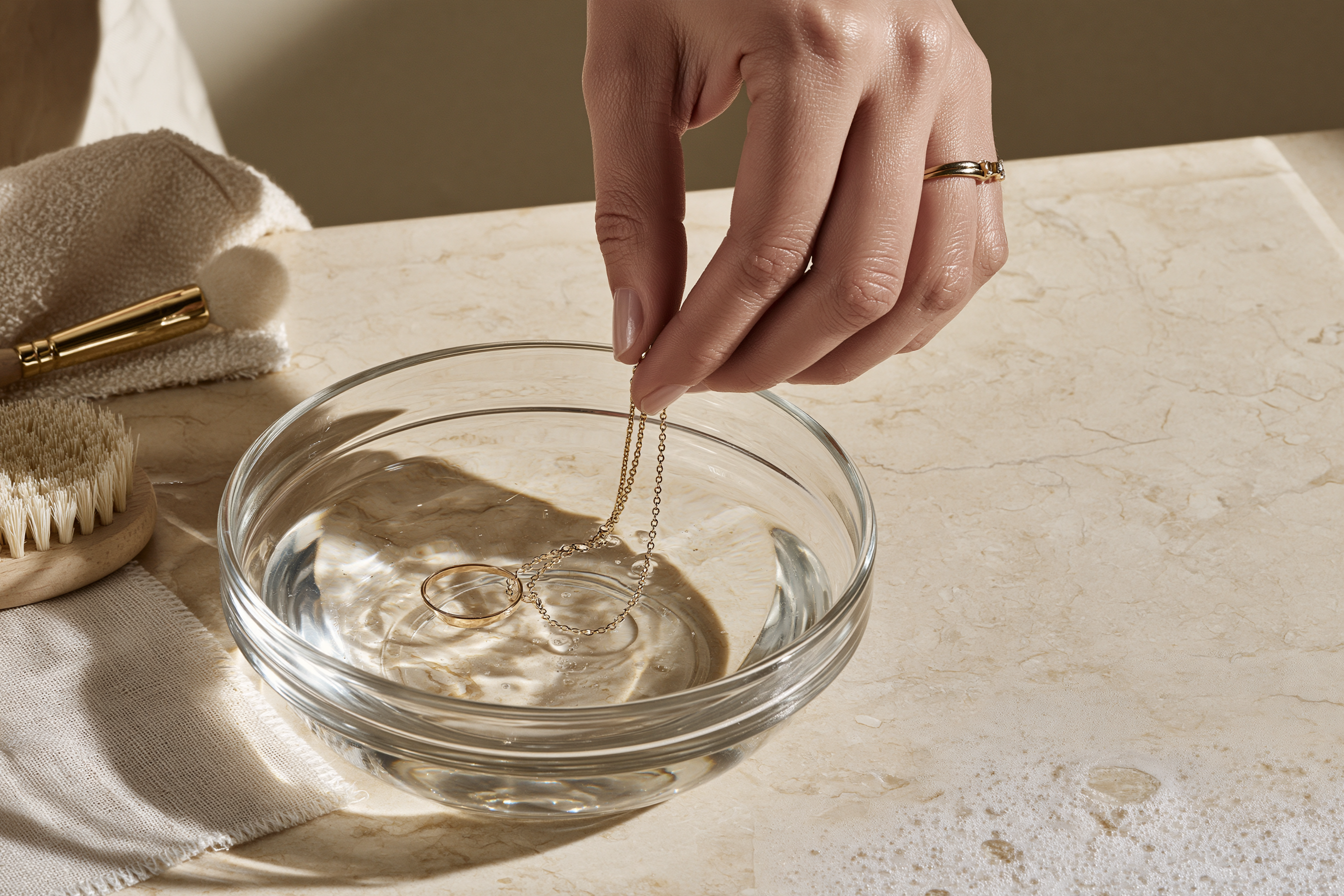
Fill a small bowl with lukewarm water and add only a few drops of mild, non-abrasive liquid soap. Allowing plain gold jewelry to sit briefly in the solution can help loosen oils and residue from the surface and between chain links.
If the piece contains gemstones, pearls, enamel, glued elements or a special coating, check the appropriate care instructions before soaking it.
2. Use a Very Soft Brush Only When Appropriate
For plain gold surfaces and secure details, a very soft small brush can help remove residue from difficult areas. Use light movements rather than aggressive scrubbing.
3. Rinse and Dry with a Soft Cloth
Rinse carefully to remove soap residue. For small pieces, rinsing them in a separate bowl of clean water rather than directly over an open drain can reduce the risk of losing the jewelry.
Dry the piece gently with a clean, lint-free microfiber cloth. Make sure chain links, clasps and other small areas are completely dry before storing the jewelry.
This process is primarily cleaning rather than true polishing. Scratches and worn surface finishes cannot be removed simply with soap and a cloth and may require professional refinishing.
What Should You Avoid When Cleaning Gold Jewelry?
Toothpaste, Baking Soda and Abrasive Products
Toothpaste, baking soda and other abrasive materials are not recommended for routine gold jewelry care. They can create fine scratches and change the appearance of polished or specially textured surfaces.
For the same reason, stiff brushes, abrasive cleaning sponges and rough cloths should be avoided.
Bleach, Chlorine and Strong Household Chemicals
Gold jewelry should be kept away from bleach and chlorinated cleaning products. The additional metals used in gold alloys can react to strong chemicals, potentially causing discoloration or structural damage.
It is therefore sensible to remove jewelry during household cleaning and before entering chlorinated pools or hot tubs. During swimming, sports and intensive physical activity, impact, abrasion and loss should also be considered.
Diluted ammonia solutions may be used professionally for certain gemstones, but they are not appropriate for every piece of jewelry. If you do not know the gemstone type, treatment history or setting construction, avoiding ammonia at home is the safer approach.
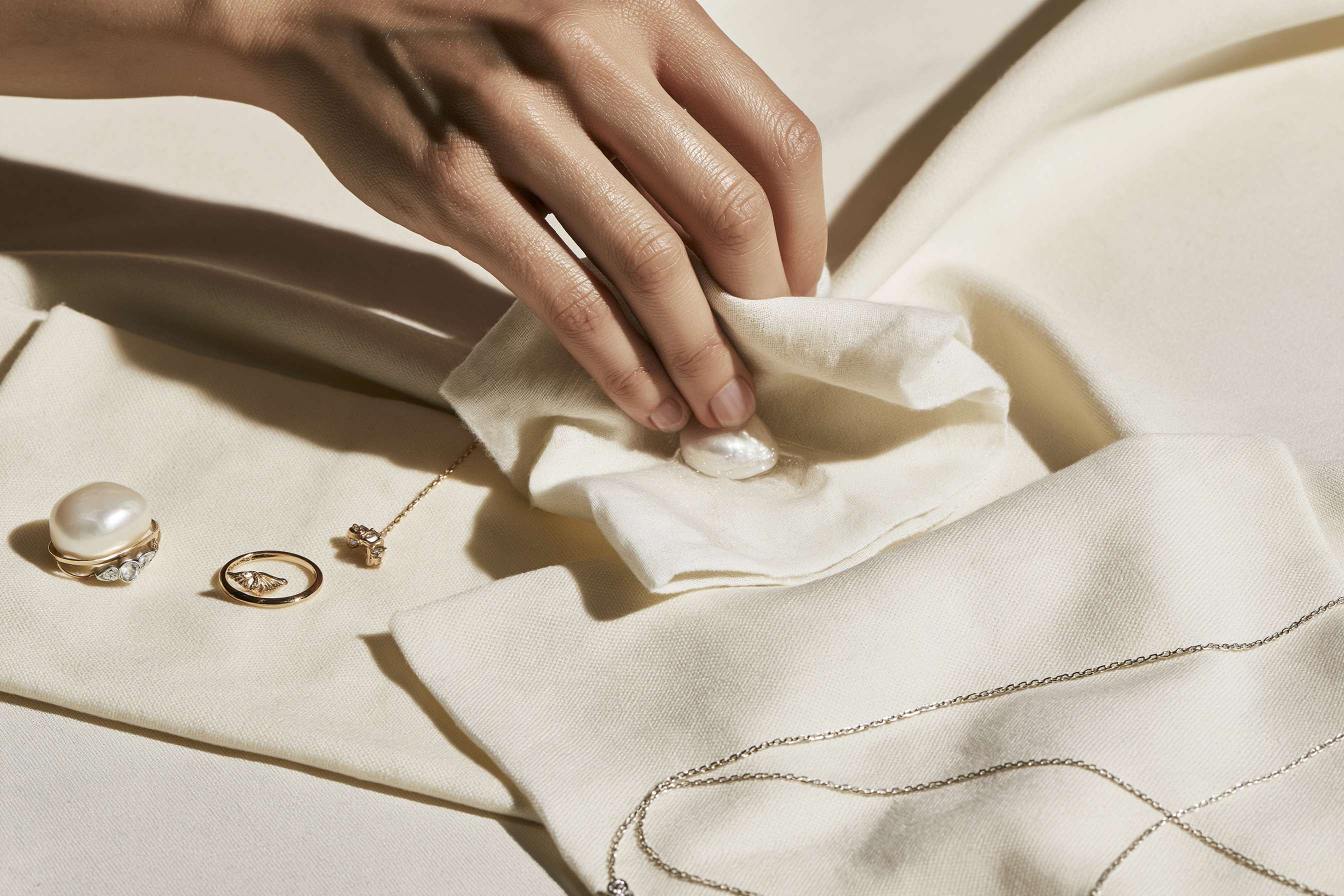
Gemstone, Pearl and Plated Jewelry Require Different Care
There is no single cleaning method suitable for every piece of jewelry. Gemstone type, setting, coating and other materials can significantly change the appropriate care method.
Before cleaning a gemstone-set gold ring, check whether any stone appears loose in its setting. A loose stone may be at greater risk during brushing or ultrasonic cleaning.
When Should Gold Jewelry Be Professionally Cleaned?
Gentle home cleaning can remove much of the residue created by everyday wear, but some issues require professional attention.
- Visible or deep scratches,
- loose prongs or gemstones,
- worn clasps or connecting parts,
- heavy buildup that cannot be removed gently at home,
- visible wear to rhodium plating on white gold,
- or a surface that requires professional refinishing.
Professional ultrasonic cleaning can be extremely effective for suitable jewelry, but it is not safe for every stone or construction. Pearls, coral, some treated or fracture-filled gems and jewelry with insecure settings may not be appropriate for ultrasonic cleaning. The method should therefore be selected according to the specific piece.
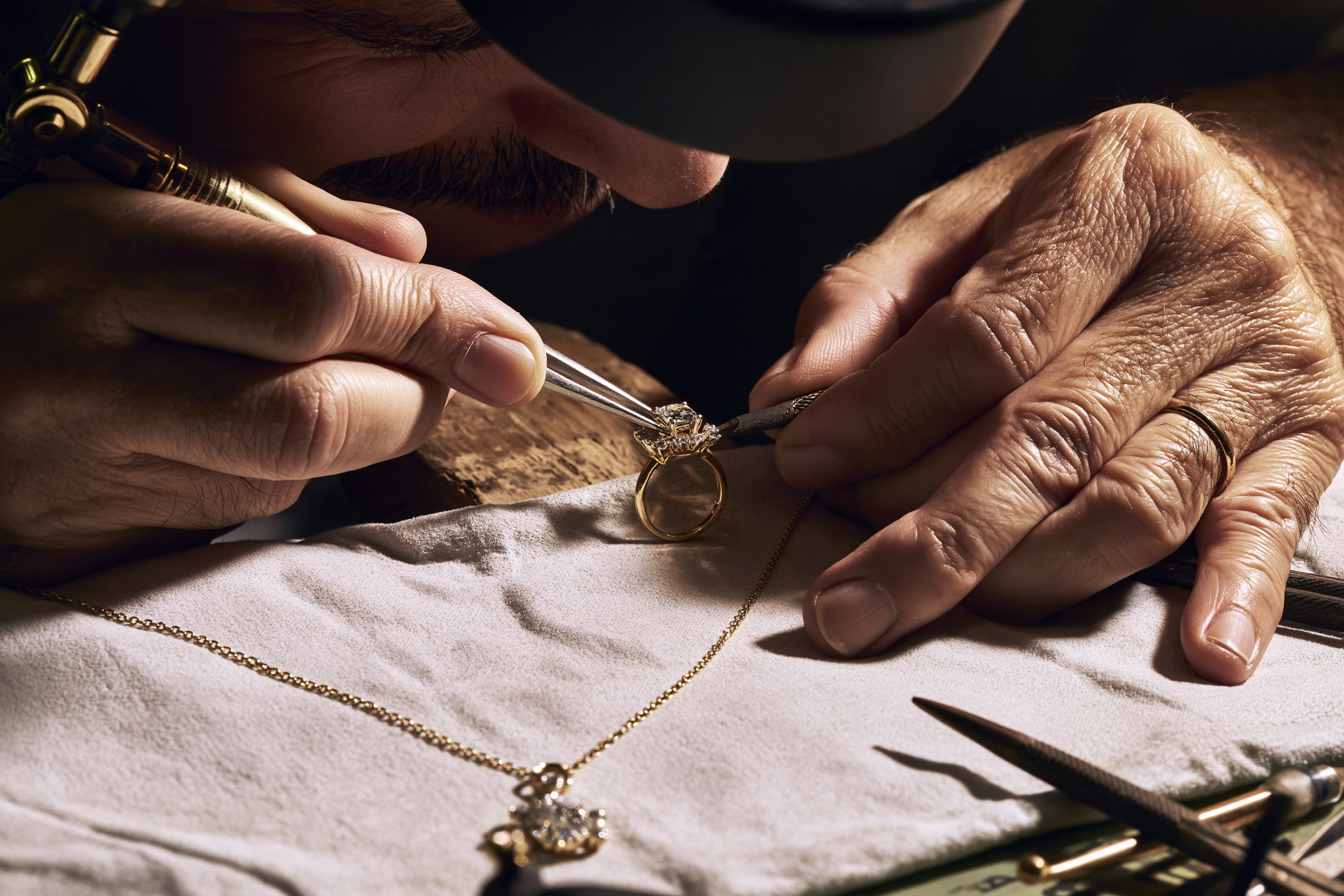
Professional polishing can reduce scratches, but the process removes a very small amount of metal from the surface. It is therefore better reserved for occasions when it is genuinely needed rather than performed unnecessarily often.
How to Preserve the Shine of Gold Jewelry
- Store pieces separately: Rings, necklaces and bracelets can scratch one another when kept in direct contact. Use a softly lined divided case or separate fabric pouches.
- Put jewelry on after cosmetics: Apply perfume, lotion and hair products first and allow them to dry before putting on your jewelry.
- Remove jewelry for household cleaning: This reduces exposure to bleach and other strong cleaning chemicals.
- Be careful at the pool and gym: Chlorine, impact, friction and snagging are good reasons to remove fine jewelry during these activities.
- Wipe after wear: Gently wiping frequently worn jewelry with a clean soft cloth can help reduce the buildup of perspiration and cosmetic residue.
- Inspect regularly: Settings, clasps and connections on frequently worn or stone-set pieces should be checked periodically.
How Often Should Gold Jewelry Be Cleaned?
There is no universal cleaning schedule for every piece of gold jewelry. A ring or necklace worn daily may accumulate residue much faster than one worn only on special occasions. Gentle cleaning can be performed whenever visible film, oil or dullness appears.
Regular professional inspection can also be useful for frequently worn and stone-set jewelry. An annual general inspection can be a reasonable reference point, although wear frequency, construction and gemstone condition may justify a different schedule.
Drawing on jewelry experience dating back to 1985, Değerli Kuyumculuk considers appropriate care an important part of owning fine jewelry. From cleaning and surface care to checking clasps and stone settings, professional assessment can help preserve the appearance and structure of the pieces you enjoy wearing.
Protect the Shine of Your Jewelry with the Right Care
When gentle home care is not enough, have your jewelry professionally inspected. And if you are looking for a new everyday favorite, explore Değerli's 14K gold collection.
Explore All JewelryFrequently Asked Questions
How can I make gold jewelry shine at home?
For plain, structurally sound gold jewelry, lukewarm water, a few drops of mild soap and a soft lint-free cloth can remove everyday oils and residue and restore visible shine. True polishing used to reduce scratches is a professional refinishing process.
Can gold jewelry be cleaned with soapy water?
Plain gold jewelry without delicate stones, coatings or glued elements can generally be cleaned with mild soapy water. Pearls, delicate gemstones, enamel and specially treated pieces may require different care.
Can you polish gold with toothpaste?
It is not recommended. Toothpaste and similar abrasive products can create fine scratches and alter the appearance of a polished gold surface.
Can gold tarnish?
Pure gold is highly resistant to corrosion, but jewelry alloys such as 14K gold contain additional metals. Everyday wear, chemicals and environmental exposure can therefore cause dulling or discoloration. Soap, cosmetics and skin oils can also create a film that makes jewelry look darker or less bright.
How often should gold jewelry be cleaned?
There is no fixed schedule. Clean gently when you notice visible oil, residue or dullness. Frequently worn and stone-set jewelry can also benefit from periodic professional inspection of clasps, settings and prongs.
Is ultrasonic cleaning safe for all gold jewelry?
No. Although ultrasonic cleaning is suitable for some jewelry, it can be inappropriate for pearls, coral, certain delicate or treated gemstones and pieces with insecure settings. A jeweler should determine whether it is suitable for a particular piece.