

A tragus piercing is placed through the small cartilage projection directly in front of the ear canal. Its position close to the face makes even very small jewelry noticeable, but the tragus is cartilage rather than soft earlobe tissue. That means professional placement, suitable initial jewelry, protection from pressure and patient aftercare all matter.
What Is the Tragus and Where Is It?
The tragus is the small cartilage projection in front of the opening of the ear canal. Its thickness, angle and size vary from person to person.
Those anatomical differences affect both suitability for piercing and jewelry sizing, so the area should be assessed by an experienced professional piercer before the procedure.
What Is a Tragus Piercing?
A tragus piercing passes through this small cartilage area. Once fully healed, it can be worn as a subtle standalone detail or combined with lobe, helix and other ear piercings as part of an ear stack.
How Is a Tragus Piercing Done?
A tragus piercing should be performed in a hygienic environment by an experienced professional. The piercer evaluates the anatomy, marks the placement and creates the channel using a sterile single-use piercing needle before inserting appropriately sized initial jewelry.
Professional piercing standards favor sterile single-use needles rather than piercing guns. Correct angle and jewelry fit are particularly important in cartilage.
Does a Tragus Piercing Hurt?
Pain varies from person to person. Because the tragus is cartilage, it is thicker and generally slower to heal than the earlobe. Cartilage piercings are often described as a brief sharp pinch or pressure followed by temporary tenderness or throbbing.
Claims that the tragus has very few nerves and therefore “does not hurt” are too broad. Anatomy, pain tolerance and piercing technique all influence the experience.
Tragus Piercing Healing Time
Tragus piercings are cartilage piercings and typically take much longer to heal than earlobes. Full healing can take approximately six to 12 months. A piercing may look healed on the outside before the tissue inside is ready.
During healing, avoid unnecessary movement and direct pressure. Keep surfaces such as phones and headphones clean. If the initial post becomes excessively long after swelling subsides, a professional piercer may recommend downsizing it.

What Should You Avoid While a Tragus Piercing Heals?
- Avoid pressure: Sleeping directly on the piercing, tight earbuds and repeated phone pressure can irritate the area.
- Do not rotate the jewelry: Twisting or spinning it during cleaning is unnecessary and may irritate the tissue.
- Avoid submerging it: Pools, hot tubs, lakes and oceans should be avoided during healing unless the piercing can be properly protected.
- Keep cosmetics away: Prevent hair spray, makeup, lotions and similar products from collecting around the fresh piercing.
- Do not change initial jewelry yourself: If a sizing change is needed during healing, see a professional piercer.
How Should a Tragus Piercing Be Cleaned?
A simple aftercare approach is generally best. Sterile wound-wash saline containing approximately 0.9% sodium chloride and water can be used, with clean hands and minimal touching.
Dry gently with clean disposable gauze or paper products. Alcohol, hydrogen peroxide, iodine and harsh antibacterial products may irritate healing tissue and are not recommended for routine aftercare.
What Jewelry Is Used for a Tragus Piercing?
For an initial tragus piercing, fit, surface quality, material and anatomical suitability matter more than appearance. Flat-back labrets are commonly used, although the correct style should be chosen by the piercer.
Implant-standard titanium is one suitable option for fresh piercings. If gold is used, professional piercing standards call for solid gold of 14K or higher that is nickel- and cadmium-free and alloyed for biocompatibility. A “14K gold” label alone does not establish suitability for an initial piercing.
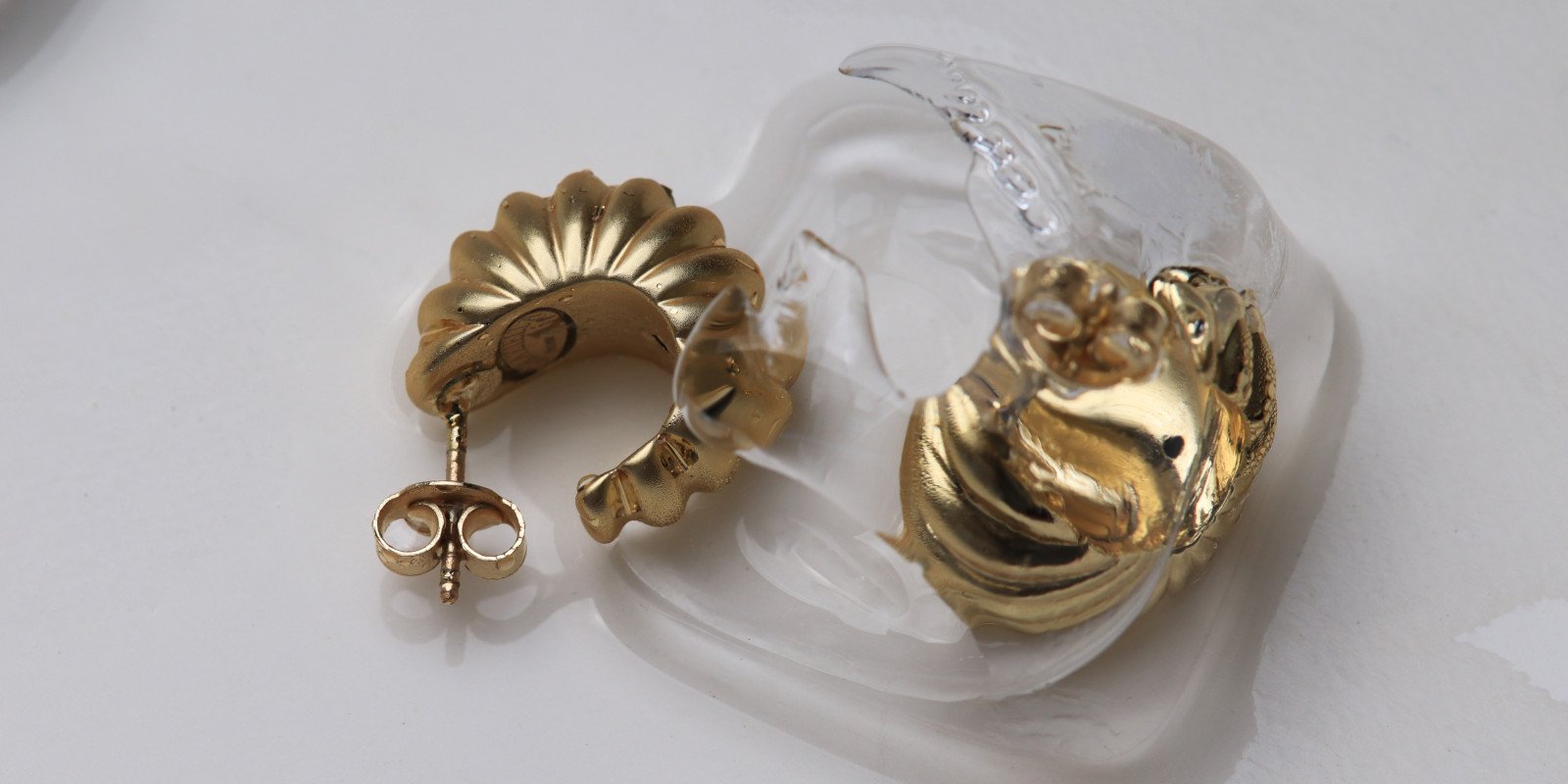
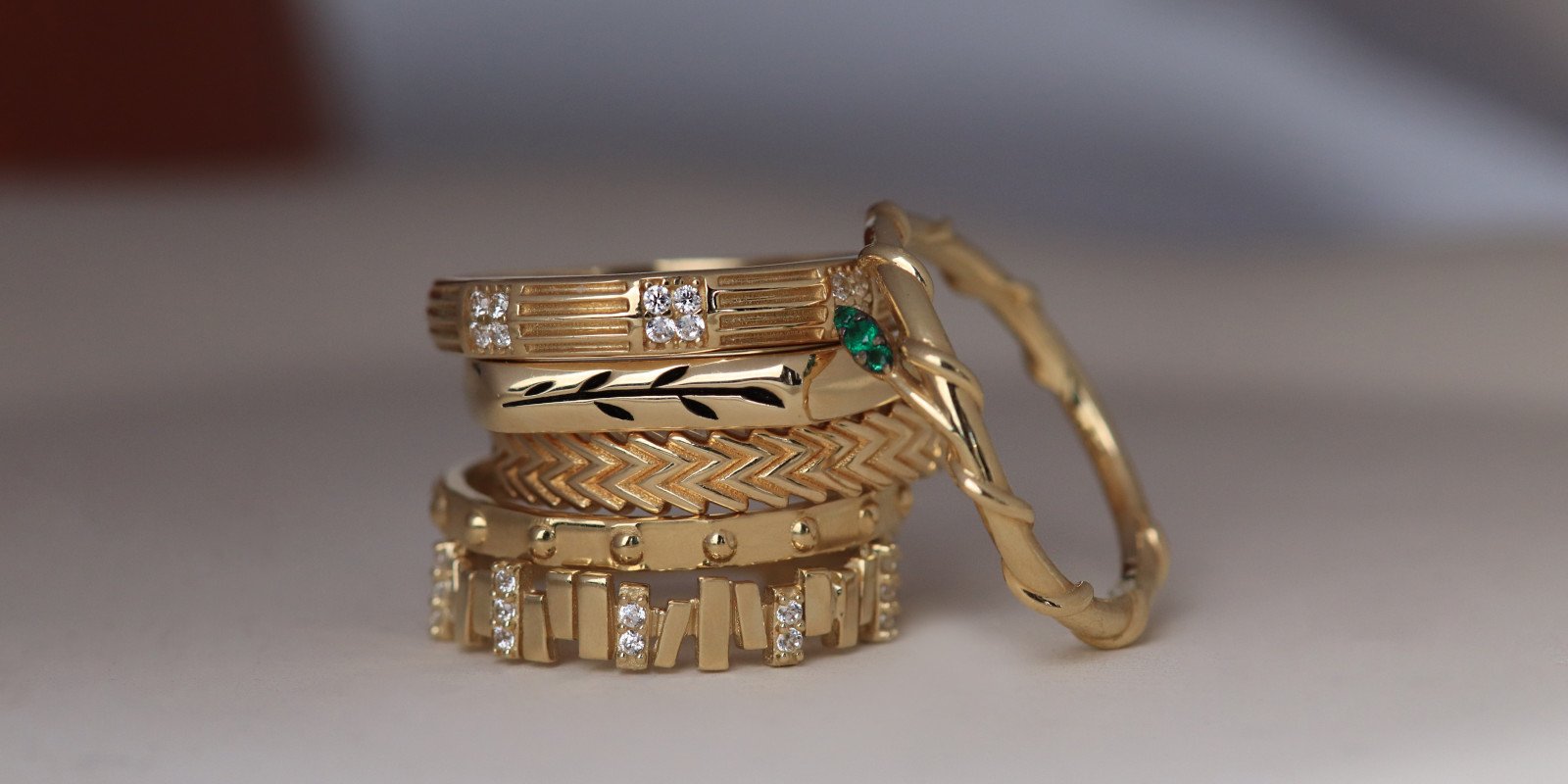
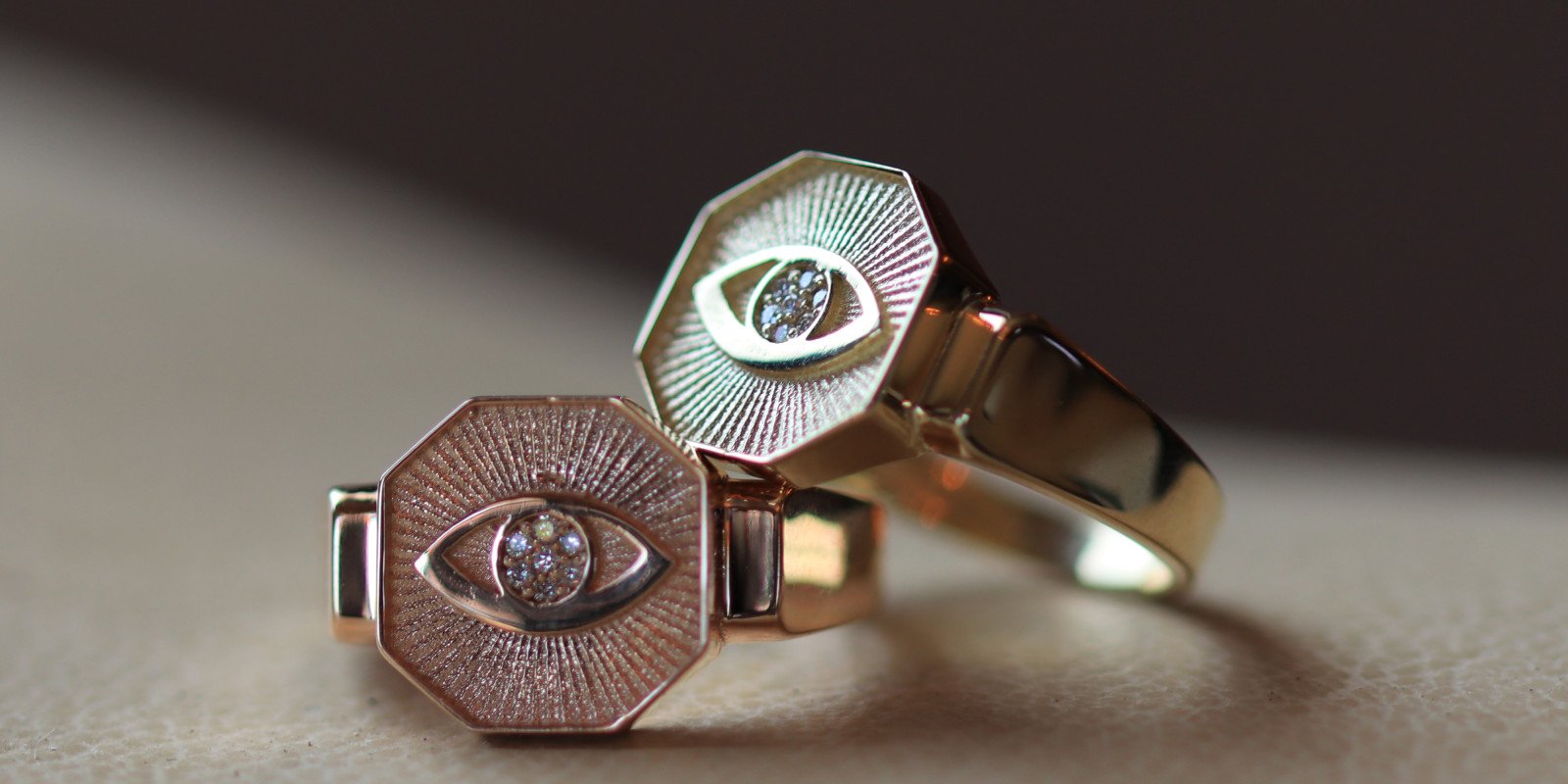
Once fully healed, small hoops, minimal decorative ends and other styles can be considered depending on fit and personal preference.

Who Is a Tragus Piercing Suitable For?
Suitability depends on anatomy and lifestyle as well as personal style. Some people do not have enough suitable tragus tissue for the placement.
Frequent use of in-ear headphones, work headsets or sleeping on the same side can also make the healing period more challenging, so discuss everyday habits with your piercer before deciding.
A Small Detail with a Clear Point of View
Explore 14K gold styles for healed tragus and ear piercings.
Explore Piercing JewelryFrequently Asked Questions
How long does a tragus piercing take to heal?
A tragus piercing can take approximately six to 12 months to heal fully. Healing speed varies with the individual, aftercare and pressure on the area.
Can you use earbuds with a tragus piercing?
During healing, an earbud that presses against or rubs the piercing can increase irritation. Once healed, make sure the earbud fits comfortably without pressing on the jewelry and keep it clean.
When can tragus jewelry be changed?
Cosmetic jewelry changes should wait until the piercing is fully healed. If the initial post needs to be shortened after swelling settles, have a professional piercer perform the downsize.
Does a tragus piercing hurt?
Pain varies. Cartilage piercings can be more sensitive than earlobe piercings and are often described as a brief sharp pinch or pressure.
Does a tragus piercing help migraines?
There is no reliable scientific evidence that tragus or other ear piercings treat or prevent migraine.